
Nitrazepam
-
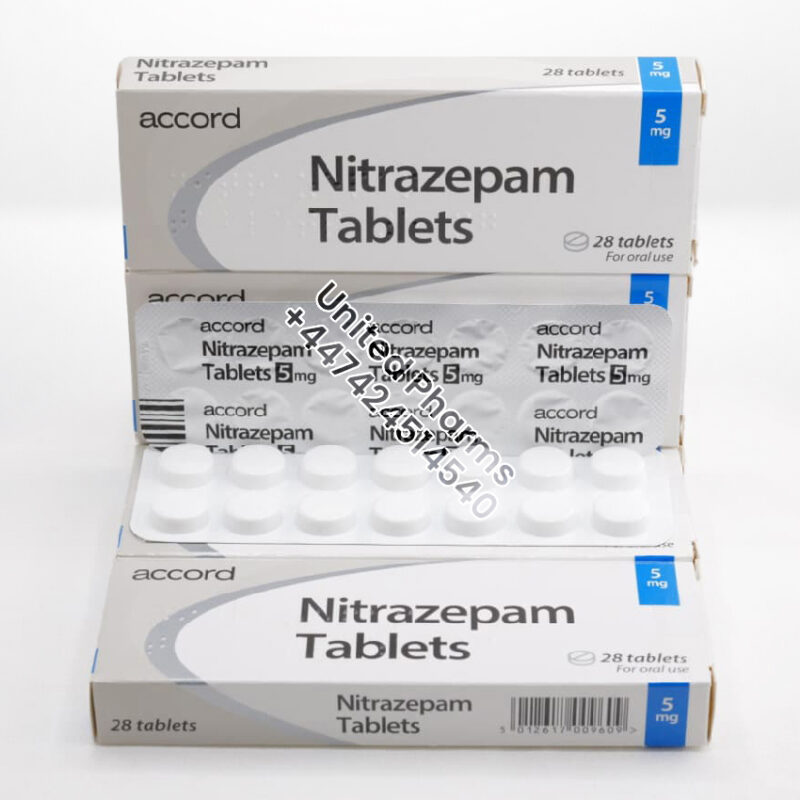
-
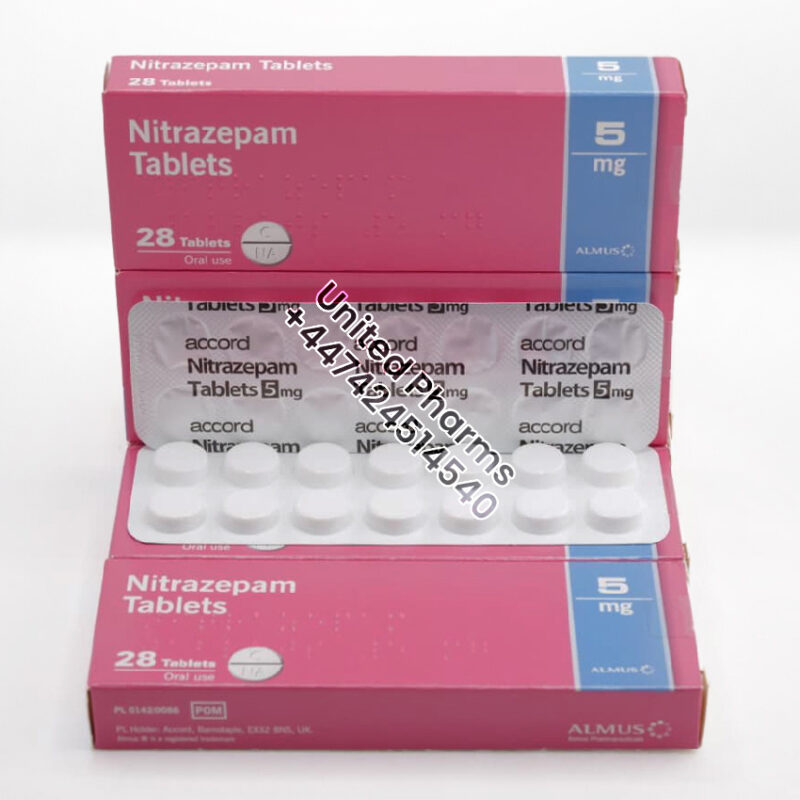
Nitrazepam 5mg | Almus – (28 Tablets)
Original price was: £69.99.£39.99Current price is: £39.99. -
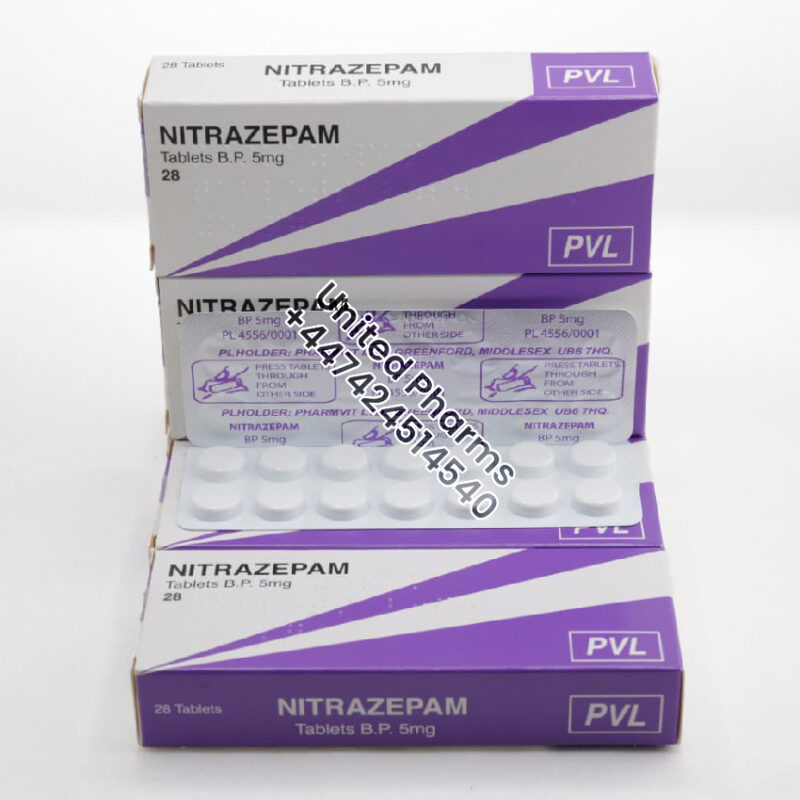
Nitrazepam 5mg | Pharmvit – (28 Tablets)
Original price was: £69.99.£39.99Current price is: £39.99.
End of content
End of content
Nitrazepam – Buy Online in UK / EU
Nitrazepam is a benzodiazepine medicine used short-term to treat severe insomnia, particularly when difficulty falling asleep, frequent awakenings or debilitating night-time disturbance significantly impacts daytime functioning. Known for its sedative, anxiolytic and muscle-relaxant properties, Nitrazepam is prescribed when non-drug sleep interventions have not been adequate. As with all benzodiazepines, it carries risks of tolerance, dependence and next-day drowsiness, so clinicians restrict its use to the shortest possible duration.
UK & EU Brands of Nitrazepam
Common brands and generic suppliers across the UK/EU include:
-
Mogadon® (original brand)
-
Nitrazepam Accord
-
Nitrazepam Teva
-
Nitrazepam Actavis / Accord
-
Nitrazepam Crescent
-
Nitrazepam Mylan / Viatris
-
Milpharm / RIA Generics
-
Sandoz / Zentiva generics
Brand availability varies by country; all authorised products meet MHRA/EMA standards.
What Is Nitrazepam Used For ?
Primary Licensed Indication
-
Short-term treatment of severe insomnia
Particularly when the condition is disabling or causing extreme distress.
Secondary Clinical Uses (specialist use only)
-
Certain myoclonic seizure disorders (rare, specialist-led)
-
Night terrors in select cases (paediatric use is highly restricted)
Important: Long-term use for sleep is not recommended due to dependence and tolerance risks.
How Nitrazepam Works
Nitrazepam enhances the calming effects of GABA, the brain’s main inhibitory neurotransmitter. This leads to:
-
Reduced overactivity in the central nervous system
-
Sedation and easier sleep initiation
-
Reduced anxiety and muscle tension
The result is a medication that helps induce sleep and reduce nighttime awakenings, but also causes next-day sedation due to its long half-life.
Advantages of Nitrazepam (Neutral & Clinical)
 Effective for acute, severe insomnia
 Effective for acute, severe insomnia
Provides reliable sedation when sleep disturbance is extreme.
Longer duration compared with some other hypnotics
Useful when patients suffer from early awakening or fragmented sleep.
Reduces anxiety-related sleep disruption
Helps settle pre-sleep tension that worsens insomnia.
Available in multiple generic forms
Increases affordability across EU markets.
Disadvantages & Limitations
✘ High risk of next-day drowsiness
Long half-life can impair driving, work or operating machinery.
✘ Dependence, tolerance and withdrawal
Limiting its use to 2–4 weeks maximum is standard clinical practice.
✘ Memory impairment or confusion
Especially in older adults.
✘ Drug interactions with alcohol, opioids & CNS depressants
Can cause dangerous respiratory depression.
✘ Not suitable for chronic insomnia
Better addressed with sleep-hygiene, behavioural therapy or non-benzodiazepine medications.
When NOT to Use Nitrazepam (Safety & Contraindications)
Avoid use without clinical supervision, and inform a prescriber if any of the following apply:
-
Allergy to nitrazepam or other benzodiazepines
-
Severe respiratory disorders – including sleep apnoea, COPD exacerbations
-
Severe liver impairment
-
Myasthenia gravis
-
History of substance misuse
-
Pregnancy or breastfeeding – benzodiazepines can cause neonatal withdrawal and respiratory depression
-
Use of alcohol, opioids or other sedatives
Use extra caution in:
-
Older adults (higher fall/confusion risk)
-
Patients with depression or suicidal ideation
-
People performing safety-critical jobs (driving, machinery, shift work)
Side Effects / Symptoms to Watch For
Common
-
Daytime drowsiness or “hangover” fatigue
-
Dizziness or impaired coordination
-
Confusion or slowed thinking
-
Memory difficulty (especially short-term recall)
-
Muscle weakness
-
Blurred vision
Less Common
-
Irritability or paradoxical agitation
-
Low blood pressure
-
Gastrointestinal upset
Serious (seek medical help)
-
Respiratory depression (slow/shallow breathing)
-
Severe confusion, fainting or falls
-
Allergic reactions (swelling, rash, breathing difficulty)
-
Worsening depression or suicidal thoughts
-
Paradoxical reactions: aggression, agitation (rare)
Dependence & Withdrawal
Stopping suddenly may cause:
-
Rebound insomnia
-
Anxiety, sweating, tremors
-
Seizures (in severe cases)
A medical taper is required after prolonged use.
FAQ: Nitrzepam (UK / EU)
1. How long does Nitrazepam last?
It has a long half-life (up to 30 hours), so sedation can persist into the next day.
2. Can I drive the morning after taking Nitrazepam?
Often not recommended—residual drowsiness can impair reactions. Always follow clinician advice.
3. Is Nitrazepam addictive?
Yes. Benzodiazepines carry a significant dependence risk, especially with prolonged use.
4. How long should Nitrazepam be used for insomnia?
Typically 2–4 weeks maximum, often less.
5. Can I drink alcohol with Nitrazepam?
No. Alcohol greatly increases sedation and breathing-suppression risk.
6. Can Nitrazepam be used in older adults?
Caution is required—risk of confusion, falls and next-day sedation is much higher.
7. Does Nitrazepam help with anxiety?
It has anxiolytic effects, but it is not licensed specifically for anxiety in many regions; other treatments are preferred.
8. Can I stop Nitrazepam suddenly?
No—withdrawal can be severe. Always taper under medical supervision.
Conclusion
Nitrazepam is an effective short-term treatment for severe, distressing insomnia, offering strong sedative benefits when non-drug methods have failed. However, its long half-life, risk of next-day impairment, potential for dependence and serious interactions with alcohol or opioids mean it must be used conservatively and for the shortest clinically appropriate duration. When properly supervised, Nitrazepam can improve sleep quality in the short term, but long-term management should focus on underlying sleep-hygiene strategies and safer alternatives.