Sleep Medicines – Buy Online in UK / EU
Trusted Treatments for Insomnia & Sleep Disorders
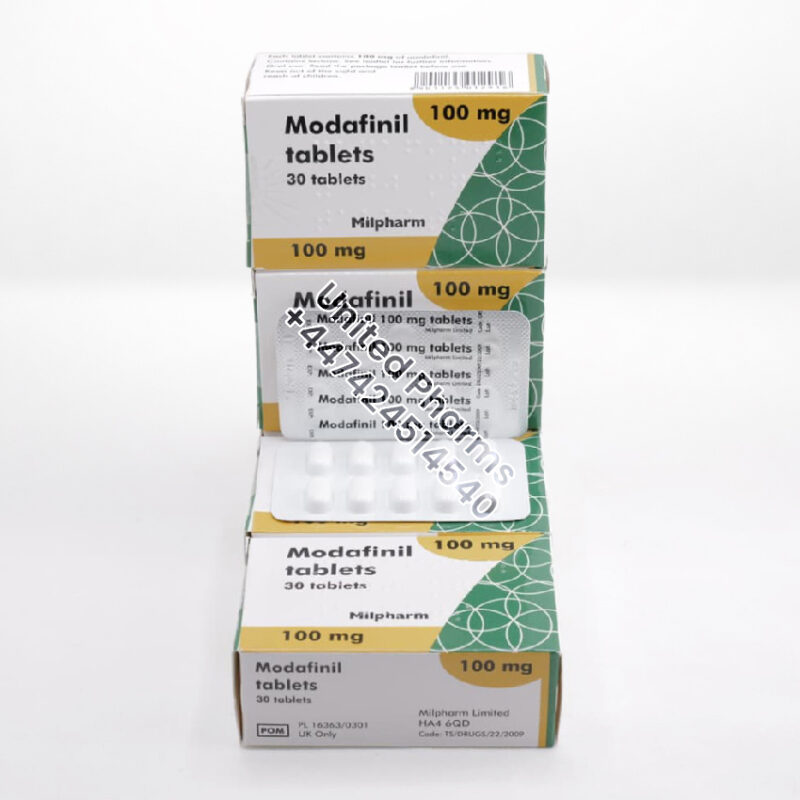
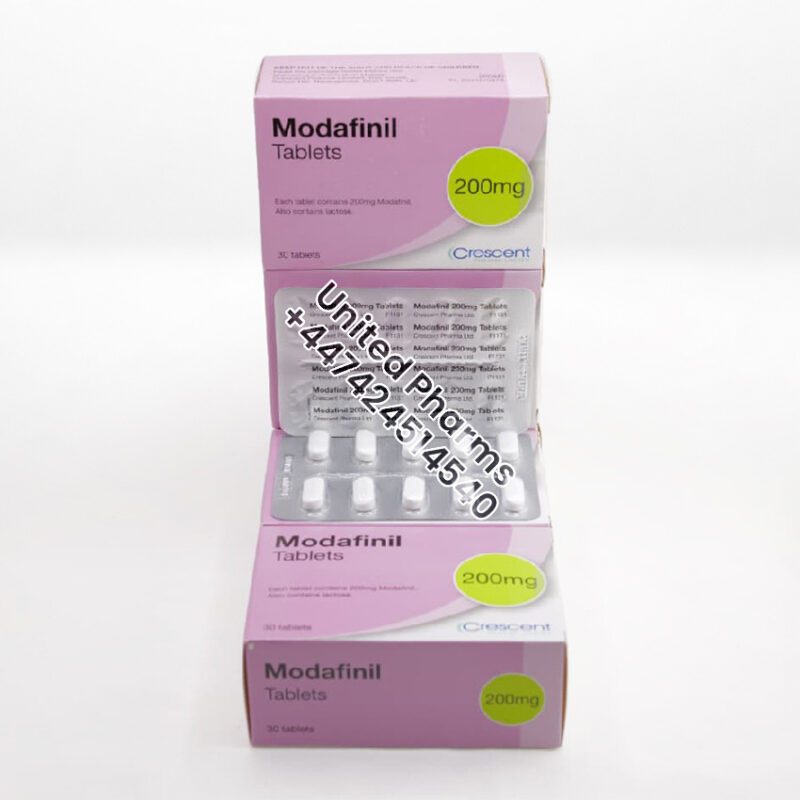
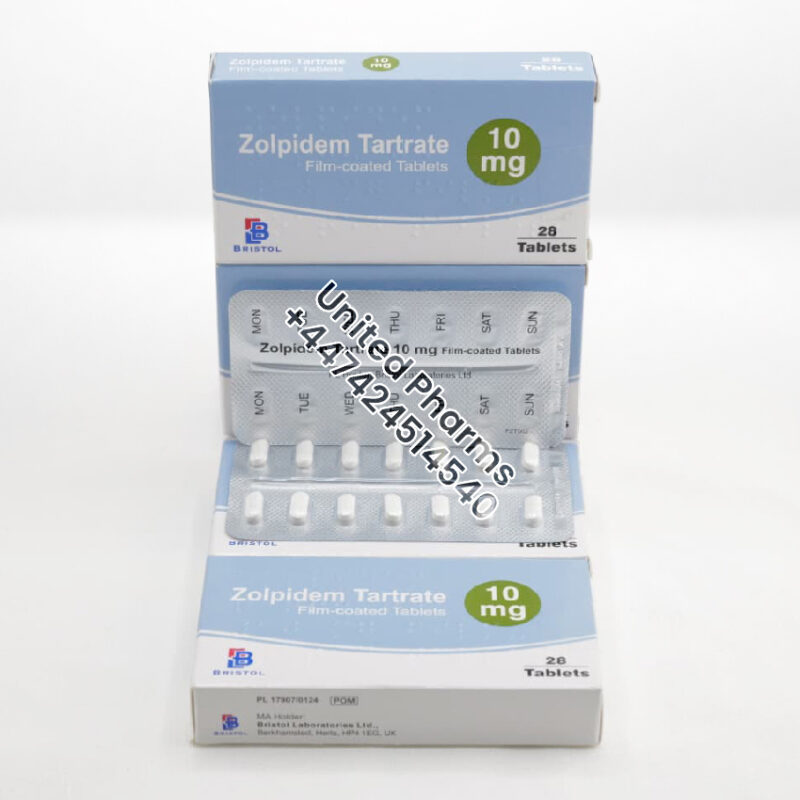
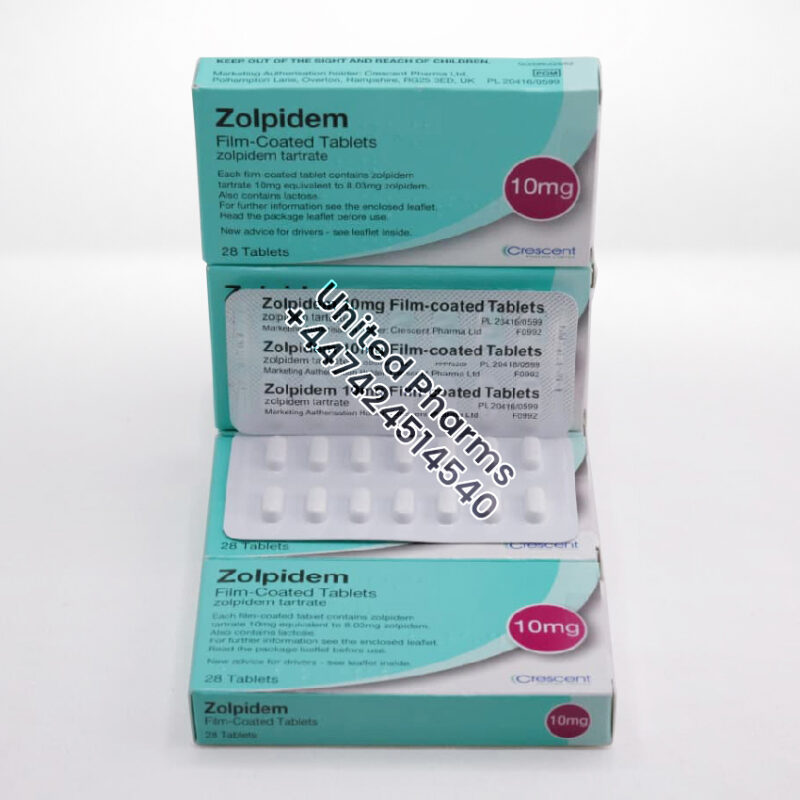
Sleep medicines are clinically recognised treatments used to manage insomnia, night-time awakenings, difficulty falling asleep, and certain sleep–wake cycle disorders. This category includes well-known prescription options such as Zopiclone, Zolpidem Tartrate, Temazepam, Nitrazepam, and wakefulness-regulating agents like Modafinil for specific medical conditions.
These medicines are typically recommended when sleep difficulties significantly affect daytime functioning or have not improved with non-medication approaches.
What These Medicines Are Used For
Sleep medicines may be prescribed for the short-term or monitored treatment of:
-
Sleep-onset insomnia (difficulty falling asleep)
-
Sleep-maintenance insomnia (frequent night-time awakenings)
-
Early-morning waking
-
Transient or situational insomnia due to stress or temporary disruptions
-
Severe or chronic insomnia under medical supervision
-
Sleep-related daytime fatigue, such as that associated with narcolepsy or shift-work sleep disorder (Modafinil)
-
Restlessness or nighttime anxiety contributing to poor sleep (certain benzodiazepines)
Each medicine has a specific role and duration of action, helping tailor treatment to individual sleep challenges.
How These Medicines Work
Sleep medicines work by influencing the brain’s neurotransmitters responsible for sleep, relaxation, and wakefulness. The main groups include:
1. Z-Drugs (e.g., Zopiclone, Zolpidem Tartrate)
-
Enhance the effects of GABA, a calming neurotransmitter.
-
Help reduce sleep latency and promote deeper sleep.
-
Designed for short-term use with a generally shorter half-life.
2. Benzodiazepine Hypnotics (e.g., Temazepam, Nitrazepam)
-
Bind to GABA receptors to produce sedative, anxiolytic, and muscle-relaxing effects.
-
Often used when insomnia is severe or persistent.
3. Wakefulness-Promoting Agents (e.g., Modafinil)
Common Benefits
-
Faster sleep onset
-
Reduced night-time awakenings
-
Improved sleep duration and quality
-
Better next-day functioning when insomnia is managed
-
Options available for both short-acting and long-acting needs
-
Specific treatments for shift-work sleep disorder and narcolepsy
These benefits vary depending on the medicine, dose, and individual response.
Limitations & Considerations
-
Many sleep medicines are recommended for short-term use only.
-
Long-term or unsupervised use can lead to tolerance or reduced effectiveness.
-
Users may experience next-day drowsiness, especially with longer-acting options.
-
Alcohol or other sedatives can significantly increase sedation and risk.
-
Not all medicines are suitable for every type of sleep disorder.
-
Wakefulness agents like Modafinil are only appropriate for specific clinical conditions.
Consultation with a healthcare professional is essential to ensure safe and appropriate use.
Possible Side Effects
Side effects vary by medicine but may include:
-
Drowsiness or next-day tiredness
-
Dizziness or light-headedness
-
Dry mouth or metallic taste (particularly with Zopiclone)
-
Headache
-
Reduced concentration
-
Memory issues or confusion in sensitive individuals
-
Unusual dreams or sleep disturbances
-
Nausea or digestive discomfort
Severe adverse effects are uncommon but require immediate medical attention.
When Not to Use These Medicines
Sleep medicines should not be used in the following situations unless specifically agreed with a healthcare professional:
-
Allergic reaction to the active ingredient
-
Severe breathing problems, such as sleep apnoea or severe COPD
-
Myasthenia gravis or severe muscle weakness (benzodiazepines)
-
Significant liver impairment
-
History of substance misuse, unless closely monitored
-
Pregnancy or breastfeeding (varies by product)
-
When consuming alcohol or using other sedative medicines
Modafinil should not be used in individuals with certain heart conditions or uncontrolled hypertension.
UK & EU Examples of Medicines in This Category
Z-Drugs
-
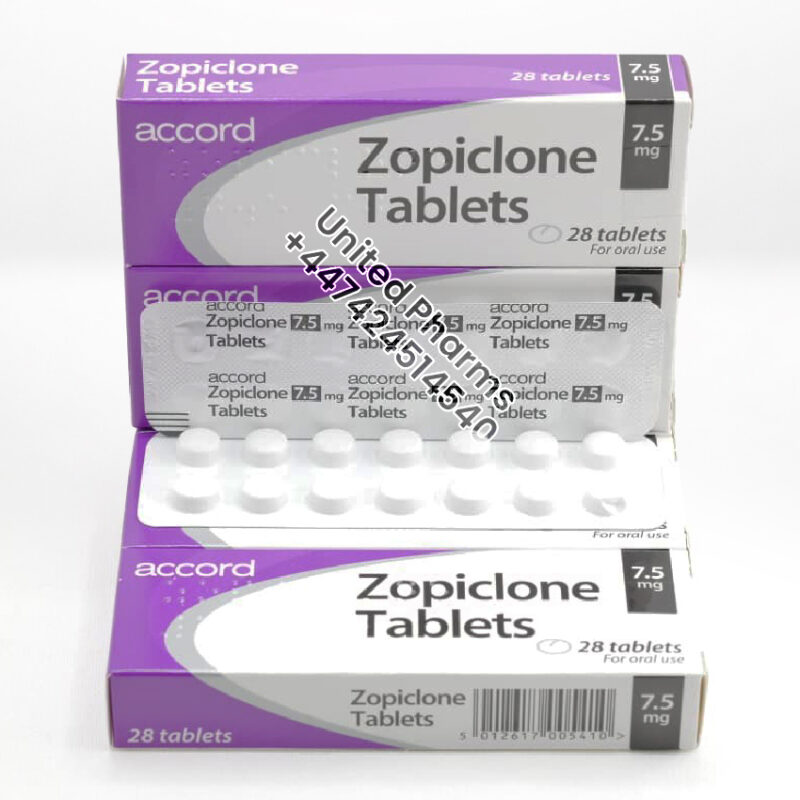
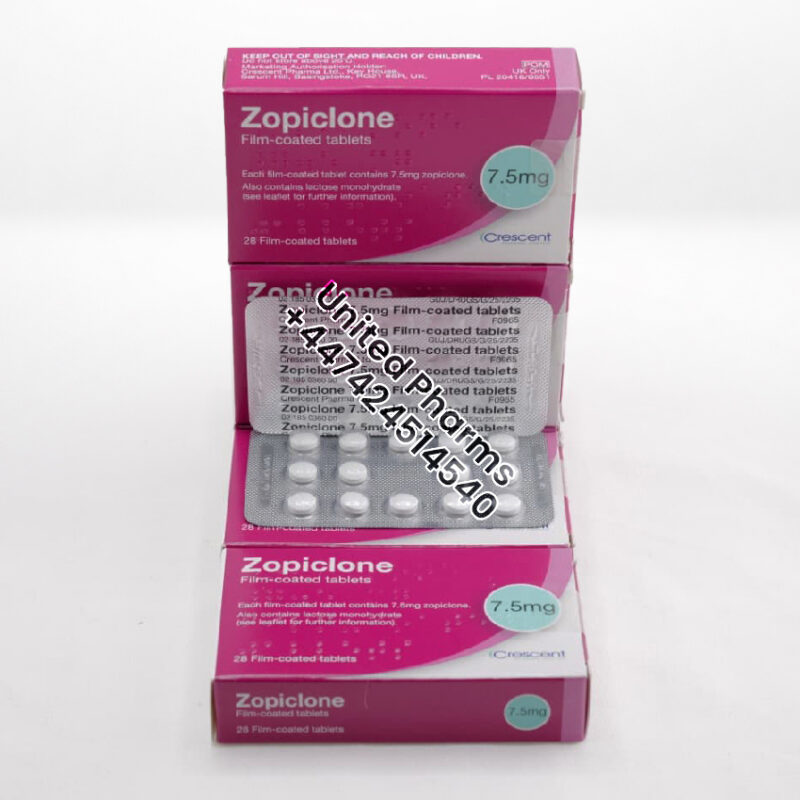
Zopiclone – 7.5mg
-
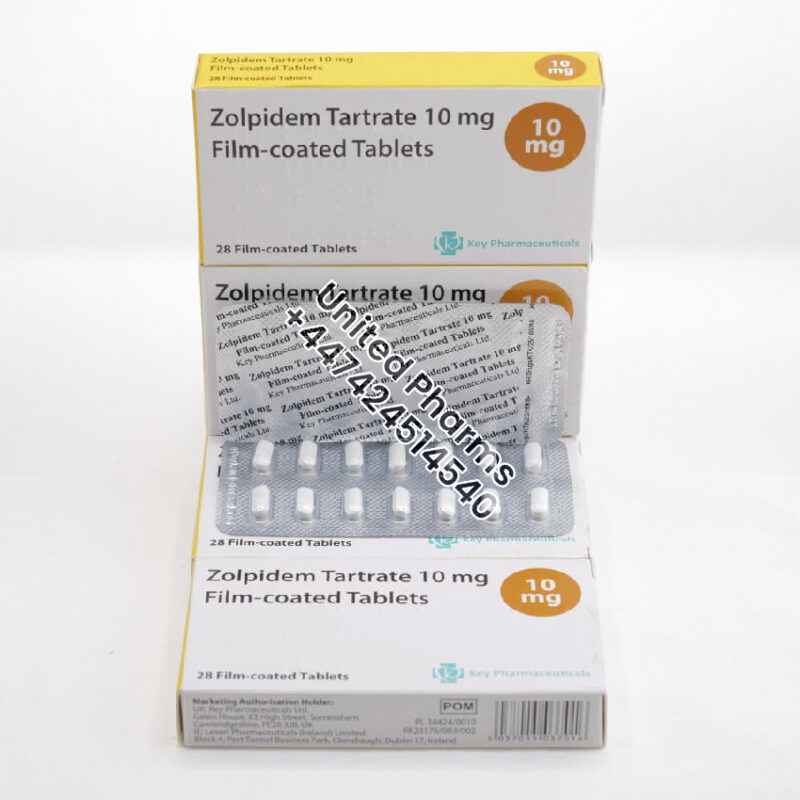
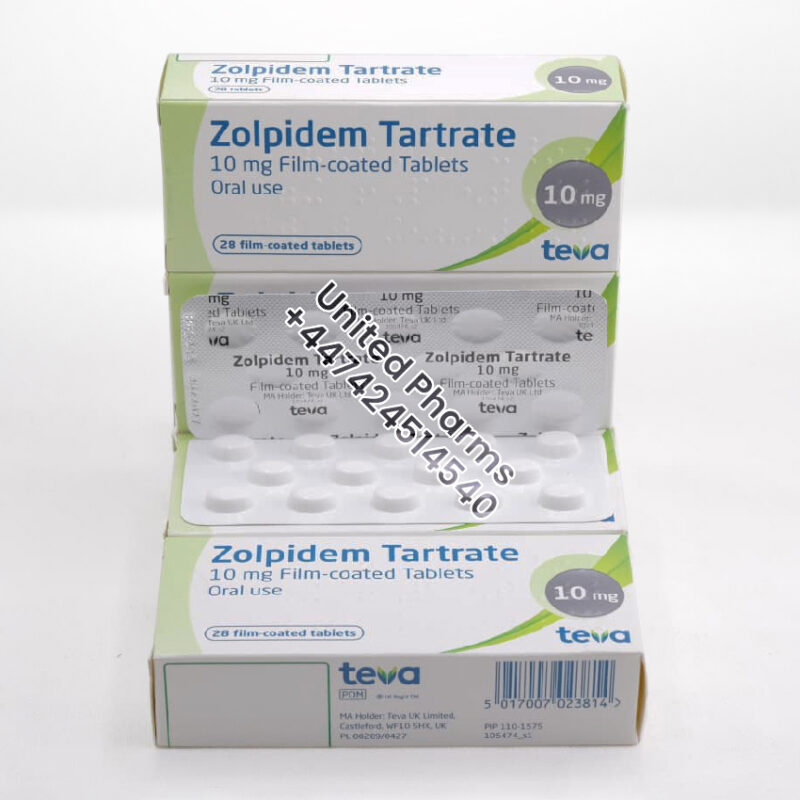
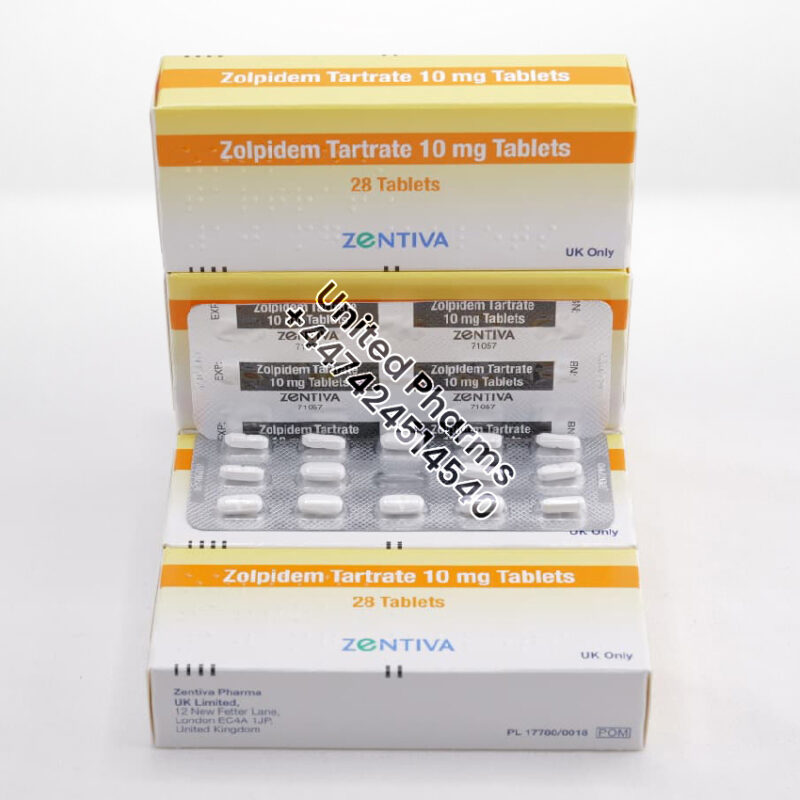
Zolpidem Tartrate – 10mg
Benzodiazepine Hypnotics
Wakefulness-Promoting Medicines
These examples represent commonly prescribed products manufactured by recognised UK and EU pharmaceutical companies.
Frequently Asked Questions (FAQ)
1. Are sleep medicines safe for long-term use?
Most are intended for short-term use. Long-term treatment should only occur under medical supervision.
2. Can these medicines cause dependence?
Some sleep medicines may carry a risk of dependence with prolonged or high-dose use. Following professional guidance reduces this risk.
3. Will I feel drowsy the next day?
Short-acting medicines reduce this likelihood, but some individuals may still experience residual drowsiness.
4. Are Z-drugs stronger than benzodiazepines?
Not stronger—just more targeted for sleep with typically shorter duration in the body.
5. Is Modafinil a sleeping pill?
No. Modafinil is used to improve wakefulness and is prescribed for specific sleep-related daytime sleepiness conditions.
Conclusion
Sleep medicines play an important role in helping individuals manage insomnia and sleep-related disorders when non-medication approaches have not been sufficient. Options such as Zopiclone, Zolpidem Tartrate, Temazepam, Nitrazepam, and Modafinil offer targeted support for falling asleep faster, staying asleep longer, or improving daytime alertness in clinically diagnosed conditions.
Always use these medications responsibly and according to guidance from a qualified healthcare professional.