
Tramadol Hydrochloride
-
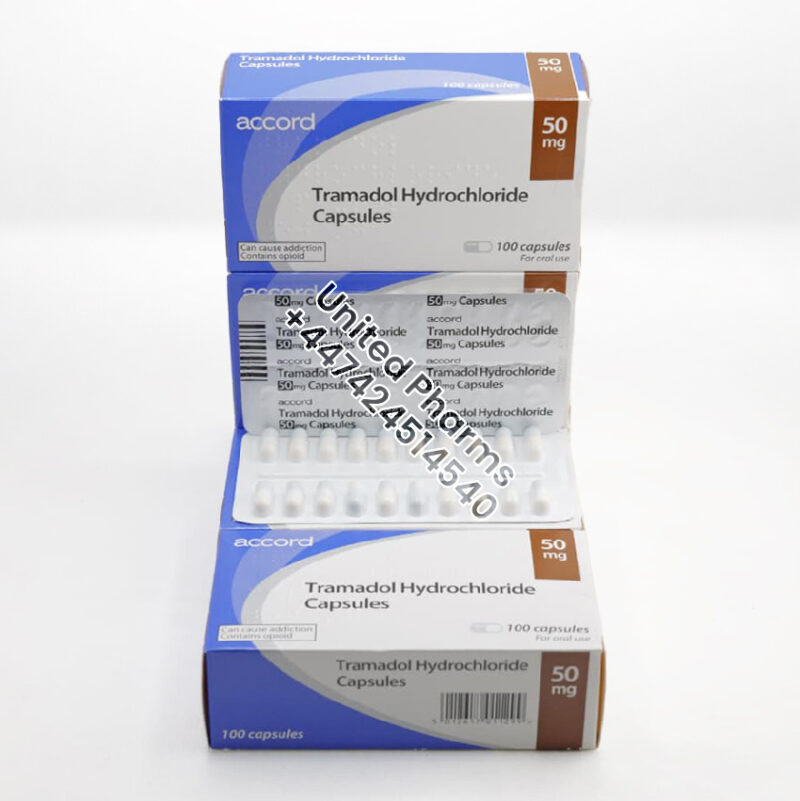
-
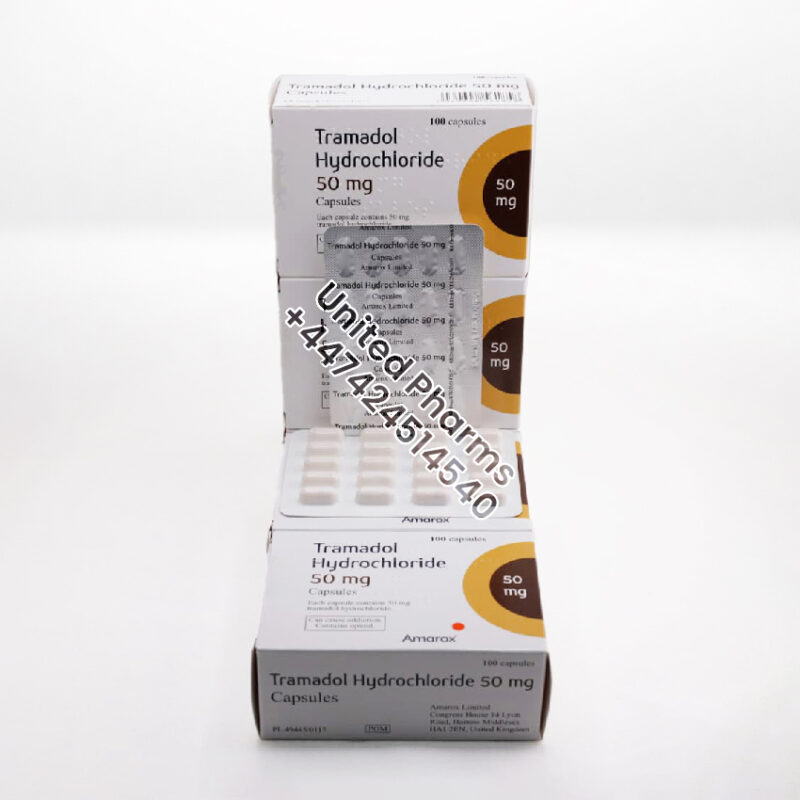
Tramadol Hydrochloride 50mg | Amarox – (100 Capsules)
Original price was: £89.99.£59.99Current price is: £59.99. -
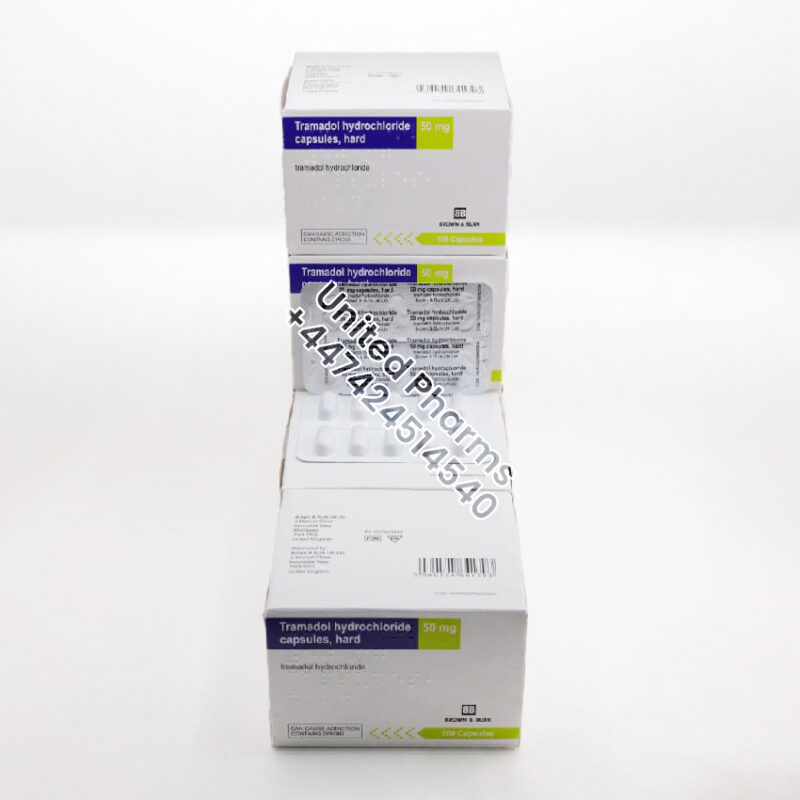
Tramadol Hydrochloride 50mg | Brown & Burk – (100 Tablets)
Original price was: £99.99.£59.99Current price is: £59.99. -
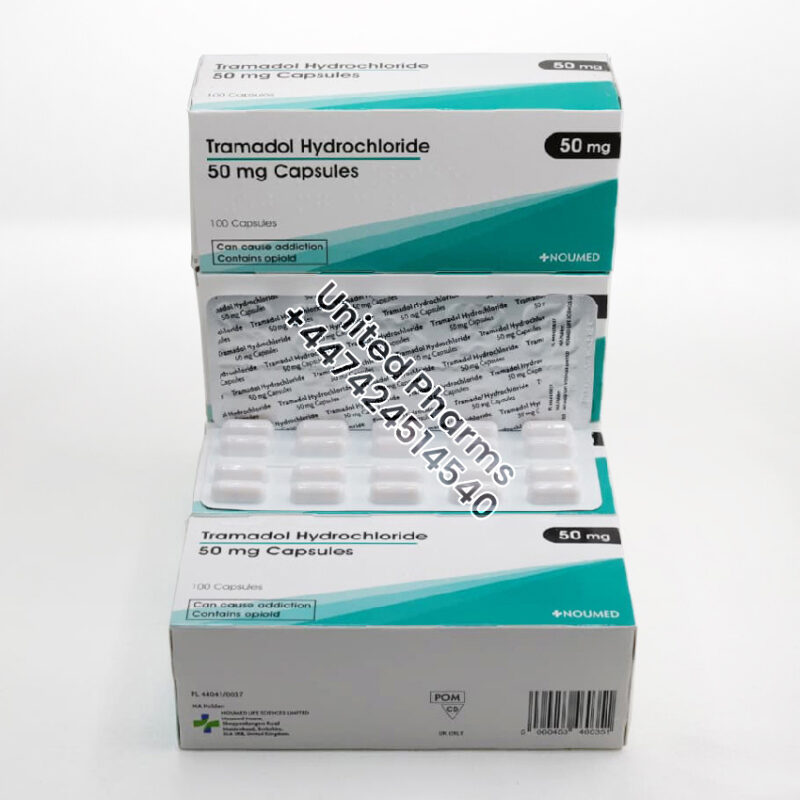
Tramadol Hydrochloride 50mg | Noumed – (100 Capsules)
Original price was: £99.99.£59.99Current price is: £59.99. -
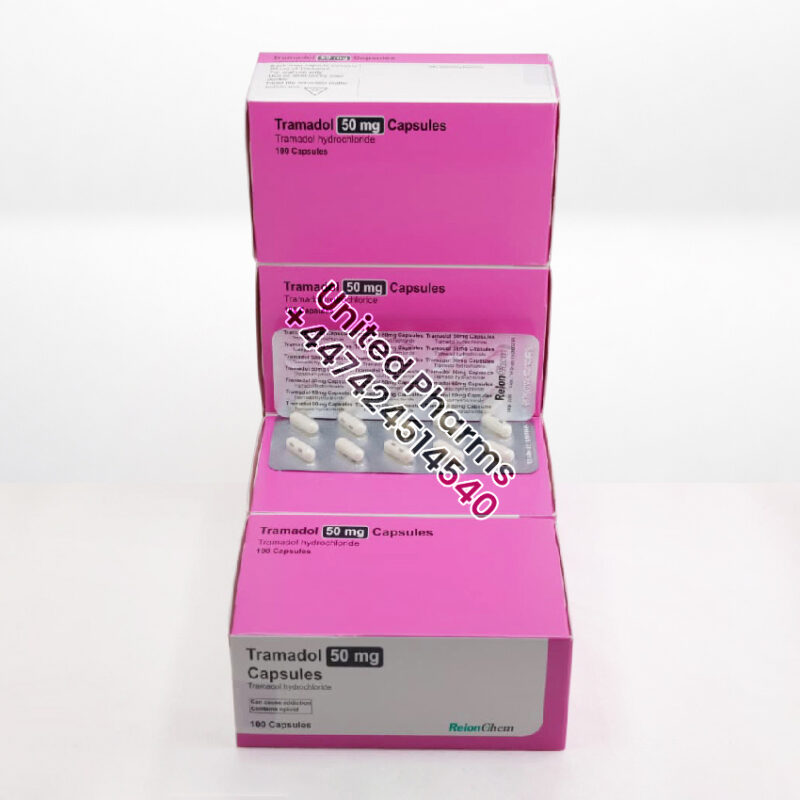
Tramadol Hydrochloride 50mg | RelonChem – (100 Capsules)
Original price was: £99.99.£59.99Current price is: £59.99. -
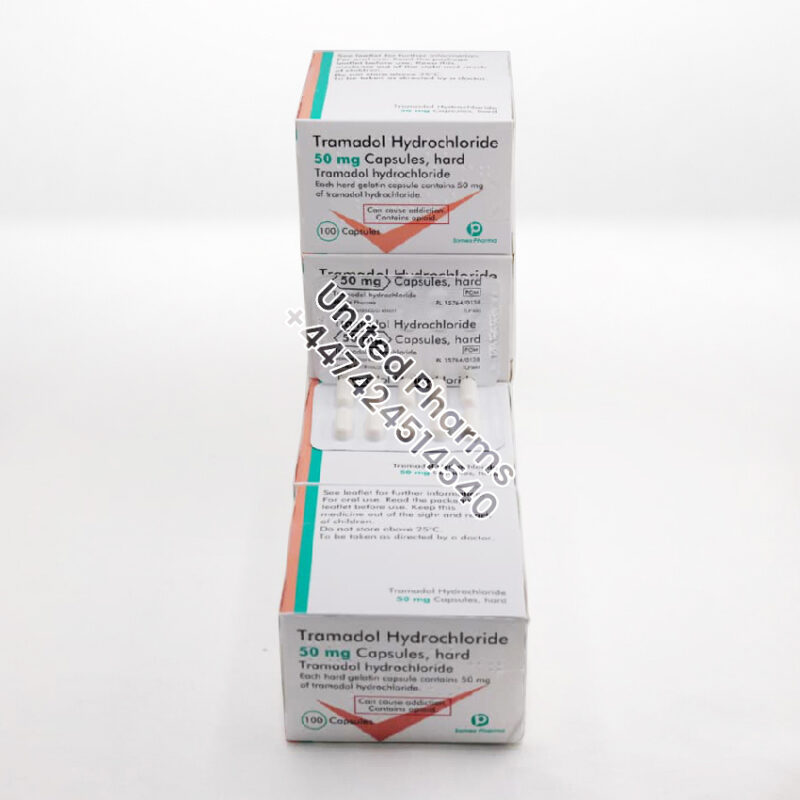
Tramadol Hydrochloride 50mg | Somex Pharma – (100 Capsules)
Original price was: £89.99.£59.99Current price is: £59.99. -
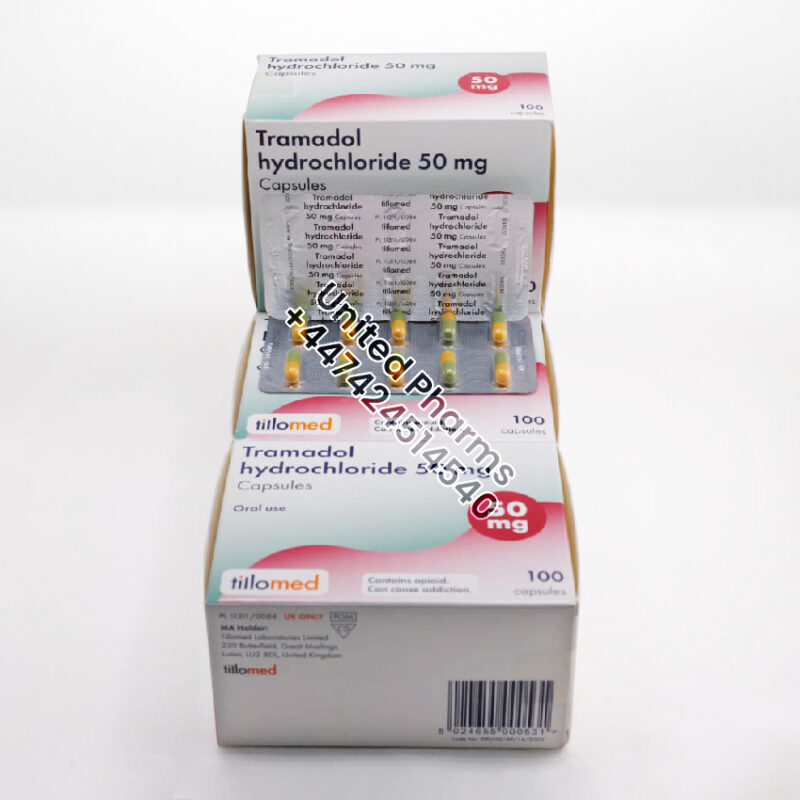
Tramadol Hydrochloride 50mg | Tillomed – (100 Capsules)
Original price was: £89.99.£59.99Current price is: £59.99.
End of content
End of content
Tramadol Hydrochloride – By Online in UK / EU
Tramadol Hydrochloride is a centrally acting opioid painkiller prescribed for moderate to moderately severe pain. It works differently from traditional opioids because it affects both mu-opioid receptors and neurotransmitters such as serotonin and noradrenaline.
Due to its strength and risk profile, Tramadol is a Schedule 3 / Class C controlled drug in the UK.
UK & EU Brands of Tramadol Hydrochloride
Common licensed brands include:
Zydol
Zamadol
Tramake
Marol
Moltram
Tramulief
Actavis Tramadol
Accord Tramadol
Teva Tramadol
Aurobindo Tramadol
Wockhardt Tramadol
Mylan Tramadol
Tillomed Tramadol
Available in:
Immediate-release tablets
Capsules
Effervescent tablets
Modified-release (MR) tablets 24-hour
Oral drops / liquid
Injection (hospital use)
What Is Tramadol Used For?
1. Moderate to Moderately Severe Pain
Prescribed when standard analgesics (paracetamol, ibuprofen, codeine) are not strong enough. Helps with:
Injury-related pain
Post-operative pain
Musculoskeletal pain
Severe back pain or sciatica
Dental pain
Cancer-related pain (adjunct therapy)
2. Chronic Pain
Modified-release (MR) Tramadol provides 24-hour relief for long-term pain conditions.
How Tramadol Works
Tramadol has a dual mechanism:
1. Opioid Action
It binds to mu-opioid receptors, blocking pain signals.
2. Increases Serotonin & Noradrenaline
It inhibits their reuptake, enhancing natural pain-modulating pathways.
This combination provides strong analgesia with a unique profile compared to other opioids. Effects begin in 30–60 minutes.
Advantages of Tramadol
 Effective for moderate to severe pain
 Effective for moderate to severe pain
Stronger than codeine, more versatile than some other opioids.
Less respiratory depression than traditional opioids
Lower risk, though still serious at high doses.
Multiple formulations
IR and MR tablets allow tailored pain management.
Useful for chronic pain
Especially neuropathic components.
Lower constipation severity
Compared to stronger opioids.
May improve sleep in chronic pain sufferers
Due to nighttime analgesia.
Disadvantages & Risks
Risk of dependence, addiction, and misuse
 Risk of dependence, addiction, and misuse
Controlled substance with increasing abuse reports.
Can cause serotonin syndrome
Especially if combined with antidepressants.
Higher risk of seizures
Particularly in overdose or with interacting medications.
Withdrawal symptoms
Anxiety, flu-like symptoms, sweating, insomnia.
Sedation, dizziness, and poor concentration
Affects driving and machinery operation.
When Not to Use Tramadol
Avoid Tramadol if you:
Take MAOIs or recently stopped them
Have uncontrolled epilepsy
Use other serotonergic drugs without medical oversight
Take benzodiazepines, sedatives, or alcohol (respiratory risk)
Have severe breathing problems
Have head injuries or raised intracranial pressure
Are allergic to Tramadol or opioids
Are pregnant or breastfeeding (unless advised)
Have a history of addiction, dependence, or substance misuse
Not recommended in patients under 12 years old.
Symptoms & Side Effects
Common Side Effects
Nausea, vomiting
Dizziness, drowsiness
Sweating
Dry mouth
Headache
Constipation
Low energy or fatigue
Less Common
Mood swings
Insomnia
Tremors
Difficulty concentrating
Heart palpitations
Serious Side Effects
Seek immediate medical help for:
Seizures
Severe breathing difficulty
Serotonin syndrome (agitation, sweating, fever, tremor)
Hallucinations or confusion
Severe allergic reaction
FAQ : Tramadol (UK / EU)
1. Is Tramadol addictive?
Yes. It can cause psychological and physical dependence.
2. How long does Tramadol take to work?
Usually 30–60 minutes for immediate-release forms.
3. Can I take Tramadol with paracetamol or ibuprofen?
Yes; these combinations are common and effective.
4. Can Tramadol cause seizures?
Yes, especially in overdose or if combined with interacting medicines.
5. Can I drink alcohol while taking Tramadol?
No — dangerous respiratory depression can occur.
6. Is Tramadol stronger than Codeine?
Yes. It provides more potent pain relief.
7. Can I drive while taking Tramadol?
Not advised. Sedation and slower reactions are common.
8. Can I take Tramadol long-term?
Possible with MR formulations, but only under close medical supervision.
Conclusion
Tramadol Hydrochloride is a versatile and effective opioid analgesic that offers relief from moderate to severe pain, with both immediate and extended-release formulations for acute and chronic conditions. Its dual mechanism—opioid activity plus serotonin and noradrenaline modulation—makes it unique among painkillers.
However, because of risks such as addiction, seizures, serotonin syndrome, and dangerous interactions, Tramadol must be used cautiously and under professional supervision.
When taken responsibly, Tramadol provides strong, predictable pain relief and can significantly improve daily functioning and comfort.