
Pregabalin
-
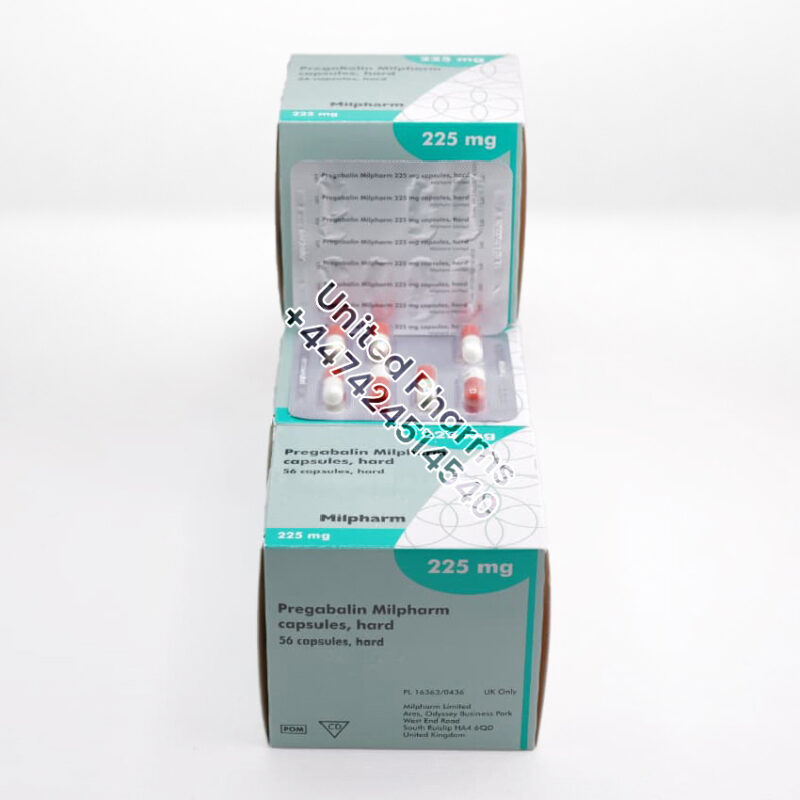
-
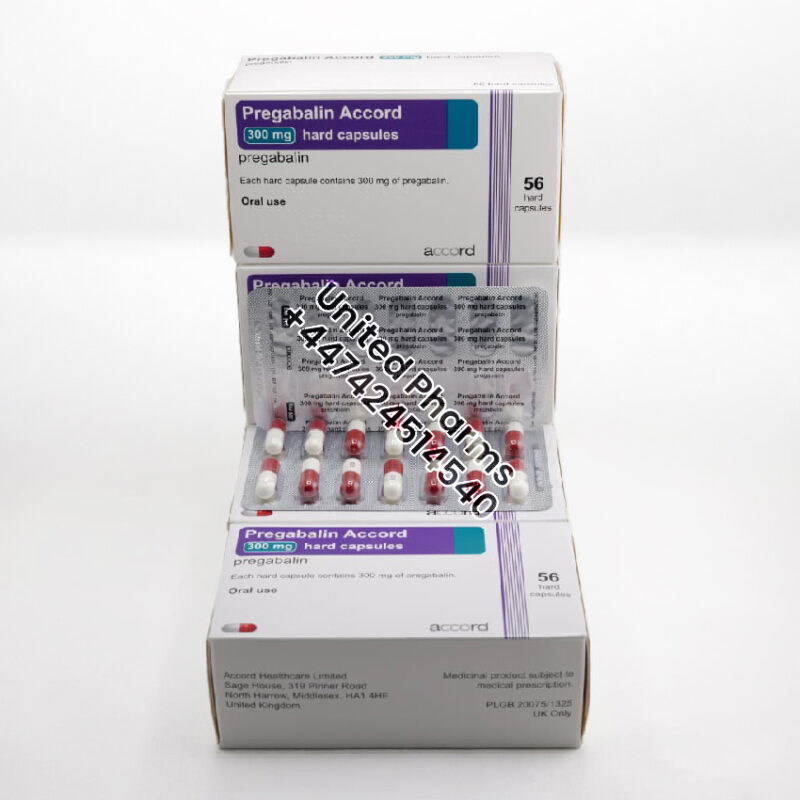
Pregabalin 300mg | Accord- (56 Capsules)
Original price was: £99.99.£69.99Current price is: £69.99. -
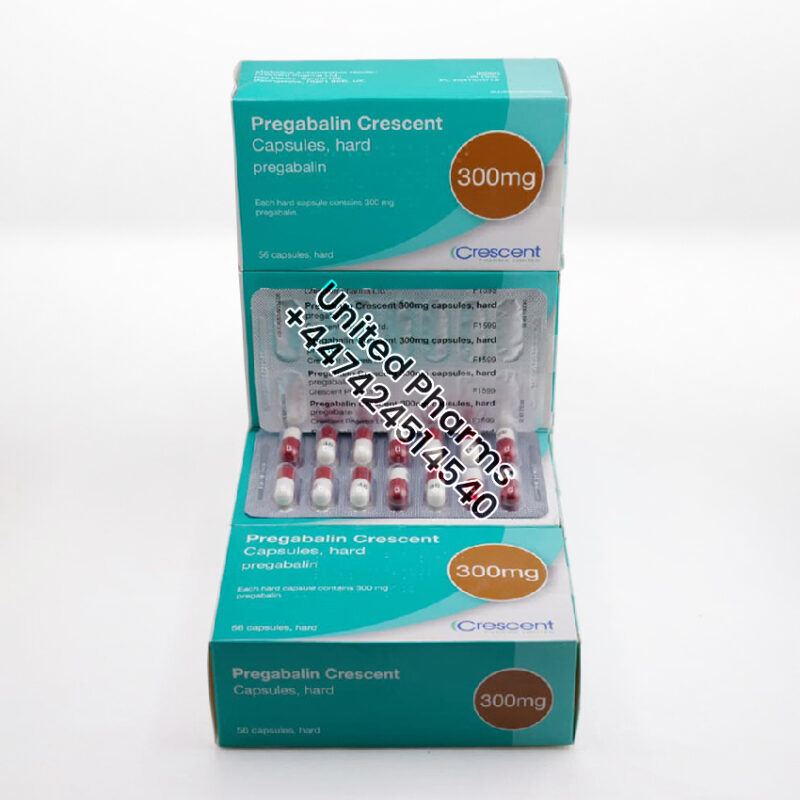
Pregabalin 300mg | Crescent – (56 Capsules)
Original price was: £99.99.£69.99Current price is: £69.99. -
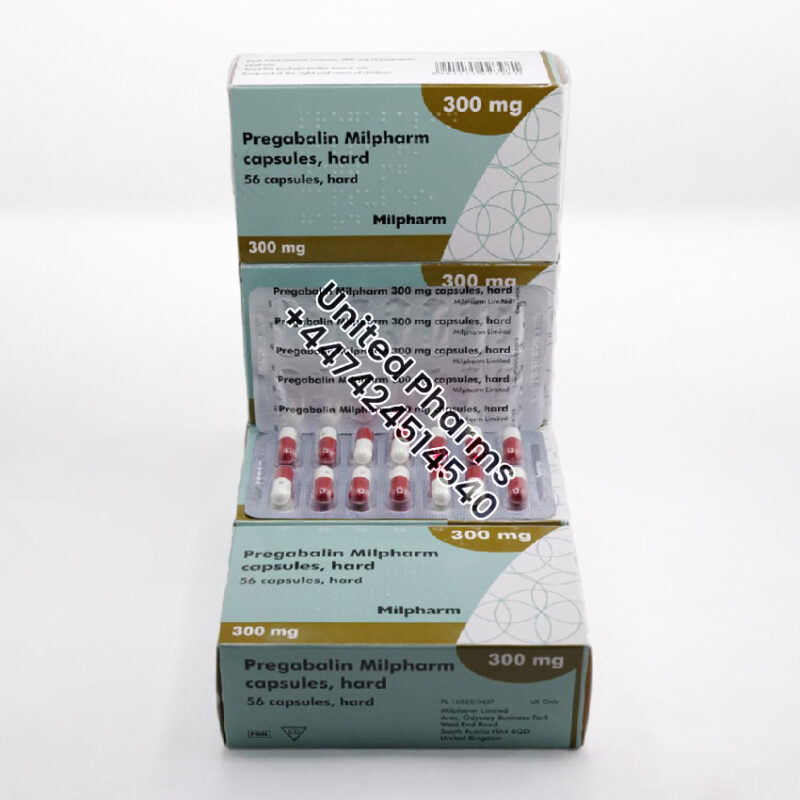
Pregabalin 300mg | Milpharm – (56 Capsules)
Original price was: £129.99.£69.99Current price is: £69.99. -
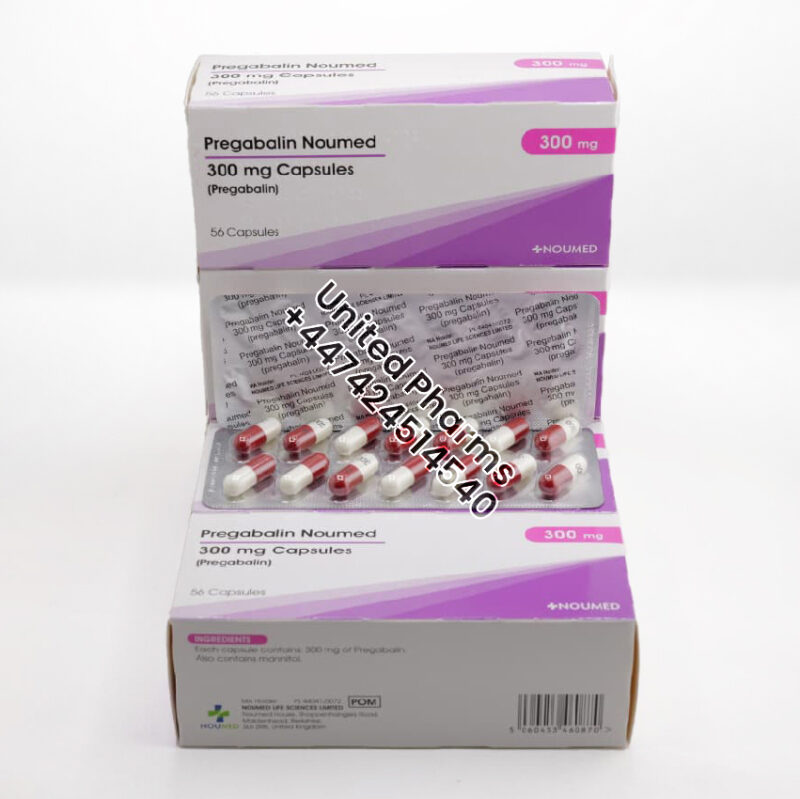
Pregabalin 300mg | Noumed – (56 Capsules)
Original price was: £99.99.£69.99Current price is: £69.99. -
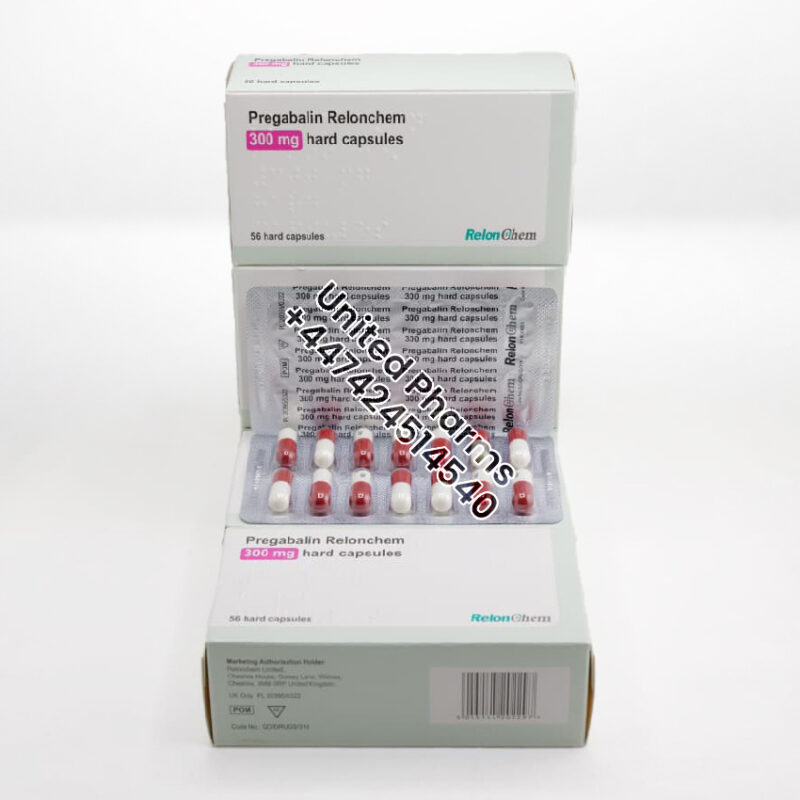
Pregabalin 300mg | Relonchem – (56 Capsules)
Original price was: £99.99.£69.99Current price is: £69.99. -
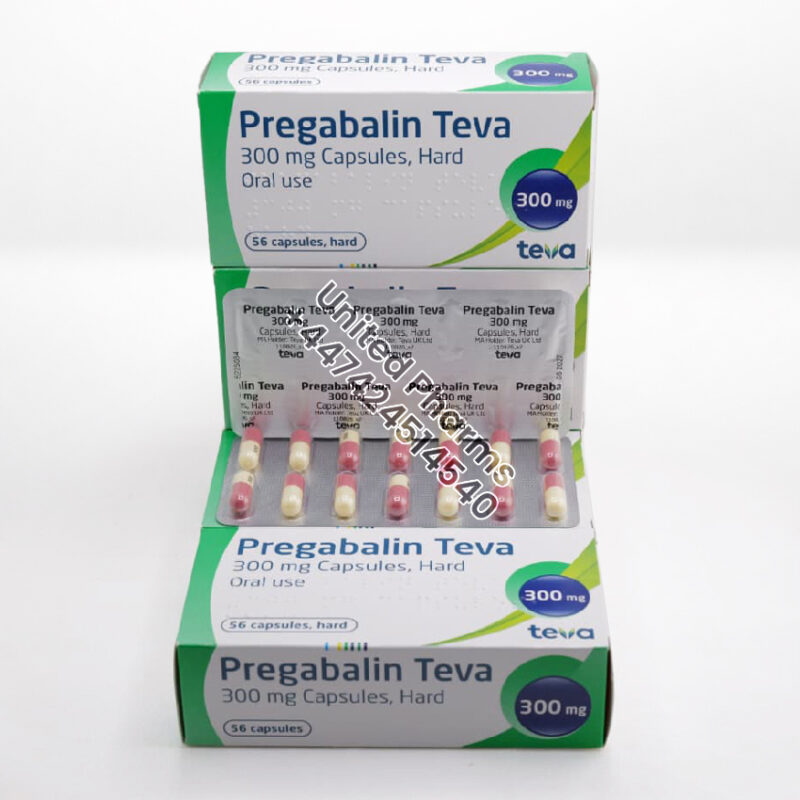
Pregabalin 300mg | Teva – (56 Tablets)
Original price was: £99.99.£69.99Current price is: £69.99.
End of content
End of content
Pregabalin – Buy Online in UK / EU
Pregabalin is an anticonvulsant and neuropathic pain medicine used widely across the UK and EU. It is prescribed for nerve pain, anxiety disorders, and certain seizure conditions.
Classified as a Schedule 3 controlled drug in the UK, Pregabalin is known for its effectiveness, fast onset, and broad therapeutic applications.
UK & EU Brands of Pregabalin
Pregabalin is widely available as both branded and generic versions, including:
Lyrica (original brand – Pfizer)
Accord Pregabalin
Teva Pregabalin
Mylan Pregabalin
Crescent Pharma Pregabalin
Aurobindo Pregabalin
Cipla Pregabalin
Dr. Reddy’s Pregabalin
Almus Pregabalin
Tillomed Pregabalin
Wockhardt Pregabalin
All approved generics meet MHRA (UK) and EMA (EU) quality standards.
What Is Pregabalin Used For?
Pregabalin is prescribed for several conditions:
1. Neuropathic Pain
 Diabetic nerve pain Post-herpetic neuralgia (shingles pain) Sciatica & radiculopathy Nerve injury pain Fibromyalgia (widespread chronic pain)
2. Generalised Anxiety Disorder (GAD)
Reduces anxiety levels, physical tension, and restlessness.
3. Epilepsy
Used alongside other medicines for partial seizures.
How Pregabalin Works (Mechanism of Action)
Pregabalin binds to the alpha-2-delta subunit of calcium channels in the central nervous system.
This reduces the release of excessive neurotransmitters involved in:
Pain signalling
Anxiety
Seizures
This action leads to pain relief, reduced anxiety, and improved nerve stability.
Effects begin within 1 week for most people.
Advantages of Pregabalin
 Highly effective for neuropathic pain
Often more effective and better tolerated than older drugs.
Works for both nerve pain and anxiety
Beneficial for patients experiencing both conditions simultaneously.
Fast onset for anxiety
Often improves GAD symptoms within a few days.
Better sleep quality
Helps calm nerve signals and reduce nighttime pain.
Multiple formulations
Available in strengths from 25mg to 300mg, offering flexible dosing.
Lower drug–drug interactions
Unlike many pain or anxiety medicines, Pregabalin rarely interacts with other medications.
Disadvantages & Potential Risks
Can cause dizziness and drowsiness
 Can cause dizziness and drowsiness
Affects concentration and driving abilities.
Risk of misuse or dependence
Controlled as a Class C/Schedule 3 drug in the UK.
Possible weight gain
Common in long-term use.
Withdrawal symptoms if stopped suddenly
Requires gradual dose reduction.
Edema (swelling)
Fluid retention can occur, especially in older adults.
Expensive for some healthcare systems
Brand Lyrica can be costly compared to generics.
When NOT to Use Pregabalin
Avoid or consult a specialist if you:
Have severe kidney disease (dose adjustments necessary)
Have a history of substance misuse or addiction
Are pregnant or breastfeeding unless essential
Have had severe allergic reactions to Pregabalin
Are taking other CNS depressants (increases sedation)
Experience suicidal thoughts related to previous medications
Have uncontrolled heart conditions with swelling (oedema)
Symptoms & Side Effects
Common Side Effects
Dizziness
Drowsiness
Blurred vision
Weight gain
Dry mouth
Swelling of hands or feet
Increased appetite
Less Common
Difficulty concentrating
Mood changes
Reduced libido
Tremors
Seek urgent medical help if you notice:
Severe allergic reaction
Vision loss or severe vision changes
Difficulty breathing
Intense confusion or hallucinations
FAQ: Pregabalin (UK / EU)
1. Is Pregabalin addictive?
It can be. Misuse potential led to it being made a controlled drug in the UK.
2. How long does Pregabalin take to work?
For nerve pain: 3–7 days
For anxiety: 1–2 weeks
For seizures: varies by individual response
3. Can I drive while taking Pregabalin?
No, especially at the beginning — it causes sedation and slows reaction times.
4. Can Pregabalin be taken with antidepressants?
Yes, but sedation may increase. Monitoring is recommended.
5. Does it help with sleep?
Yes — many users experience better sleep due to reduced nerve activity.
6. Is Pregabalin the same as Gabapentin?
They are similar but Pregabalin is often more potent with faster absorption.
7. Can Pregabalin be stopped suddenly?
No — taper slowly to avoid withdrawal symptoms.
Conclusion
Pregabalin is a highly effective treatment for neuropathic pain, generalised anxiety disorder, and partial seizures. Its fast onset, flexible dosing, and strong clinical record make it a key therapy for patients with chronic nerve conditions or persistent anxiety.
However, like all CNS-active medicines, it must be used responsibly due to risks of sedation, dependence, and withdrawal.
When prescribed correctly and monitored appropriately, Pregabalin can significantly improve quality of life, reduce pain levels, and restore daily functioning.