
Codeine Phosphate
-
-

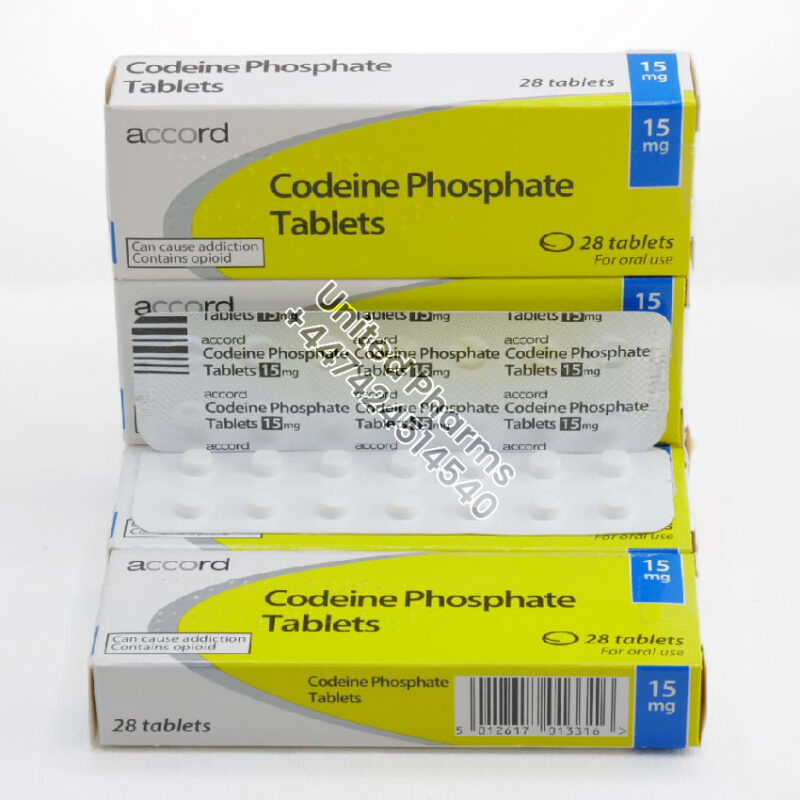
Codeine Phosphate 15mg | Milpharm – (28 Tablets)
Original price was: £39.99.£20.99Current price is: £20.99. -
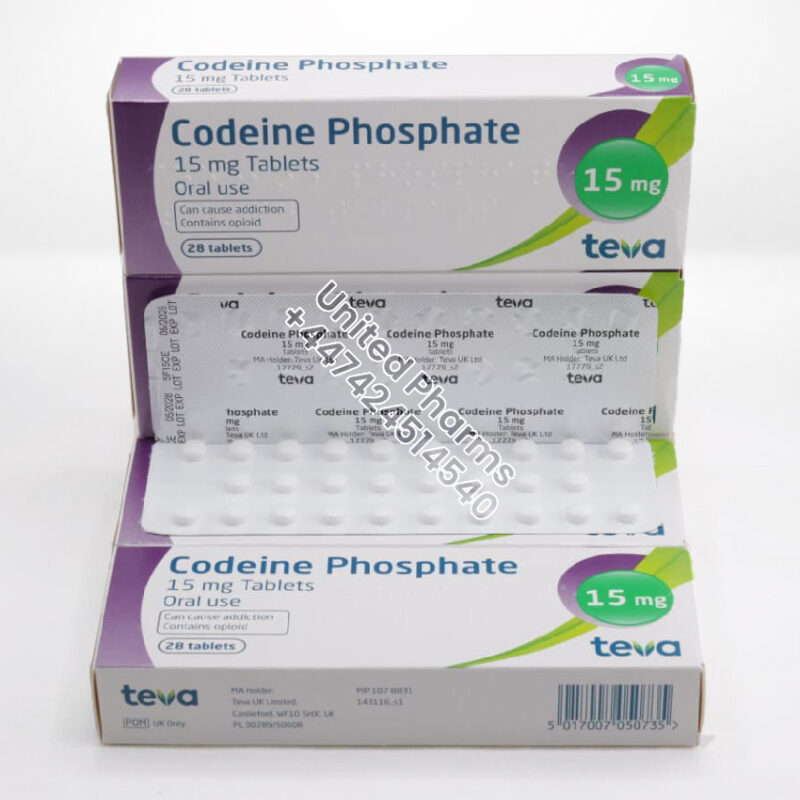
Codeine Phosphate 15mg | Teva – (28 Tablets)
Original price was: £39.99.£20.99Current price is: £20.99. -
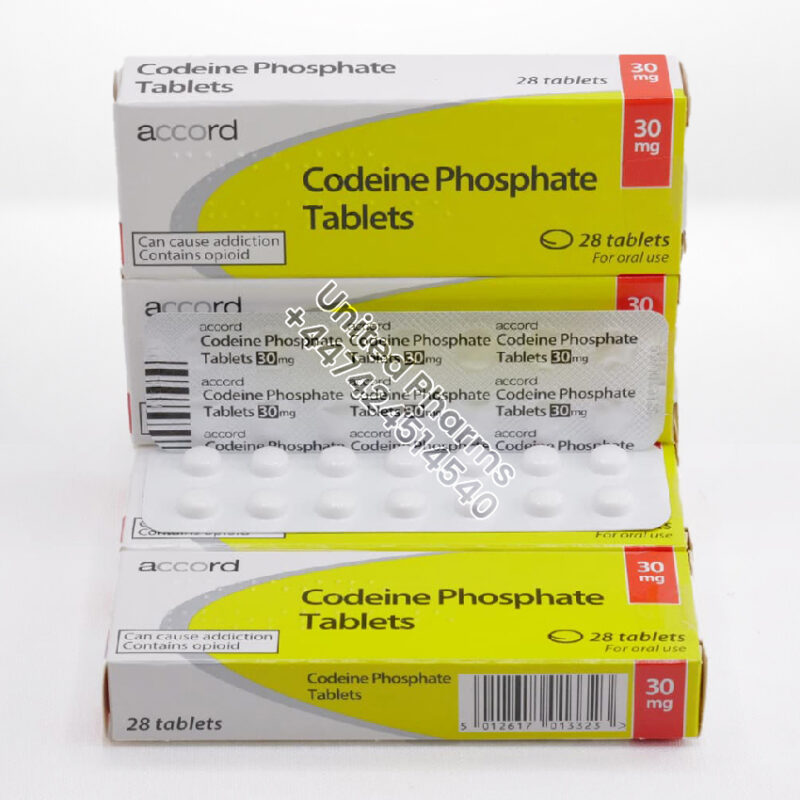
Codeine Phosphate 30mg | Accord – (28 Tablets)
Original price was: £89.99.£44.99Current price is: £44.99. -
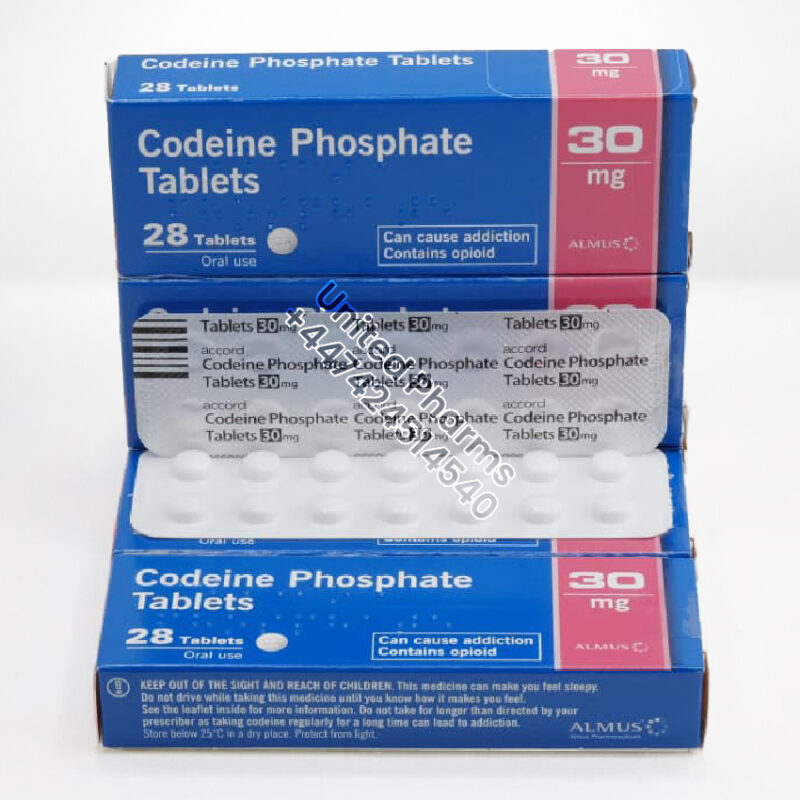
Codeine Phosphate 30mg | Almus – (28 Tablets)
Original price was: £89.99.£44.99Current price is: £44.99. -
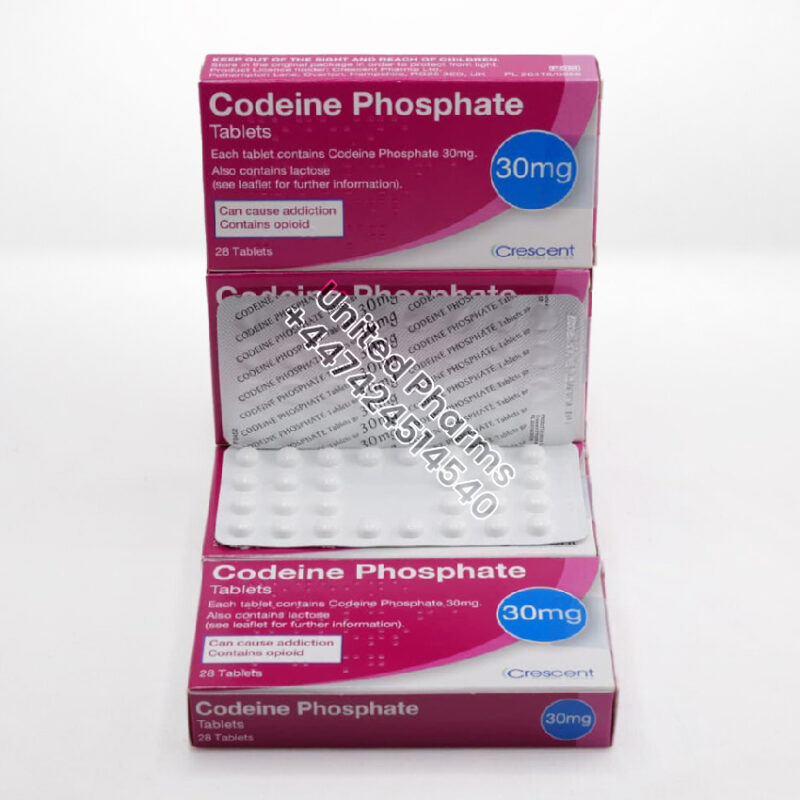
Codeine Phosphate 30mg | Crescent – (28 Tablets)
Original price was: £89.99.£44.99Current price is: £44.99. -

Codeine Phosphate 30mg | Milpharm – (28 Tablets)
Original price was: £89.99.£44.99Current price is: £44.99. -
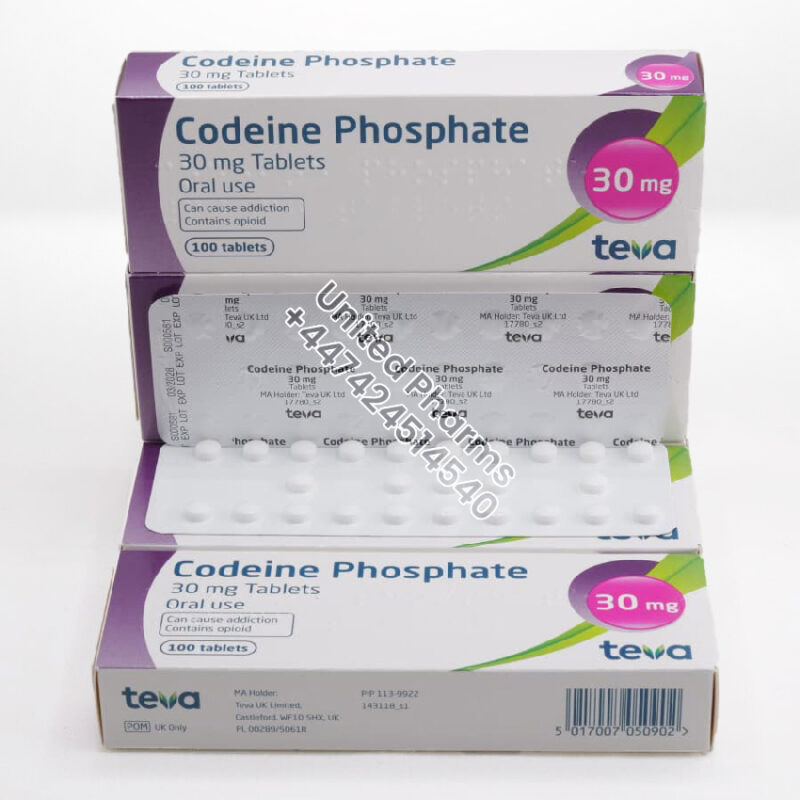
Codeine Phosphate 30mg | Teva – (100 Tablets)
Original price was: £150.00.£129.99Current price is: £129.99. -
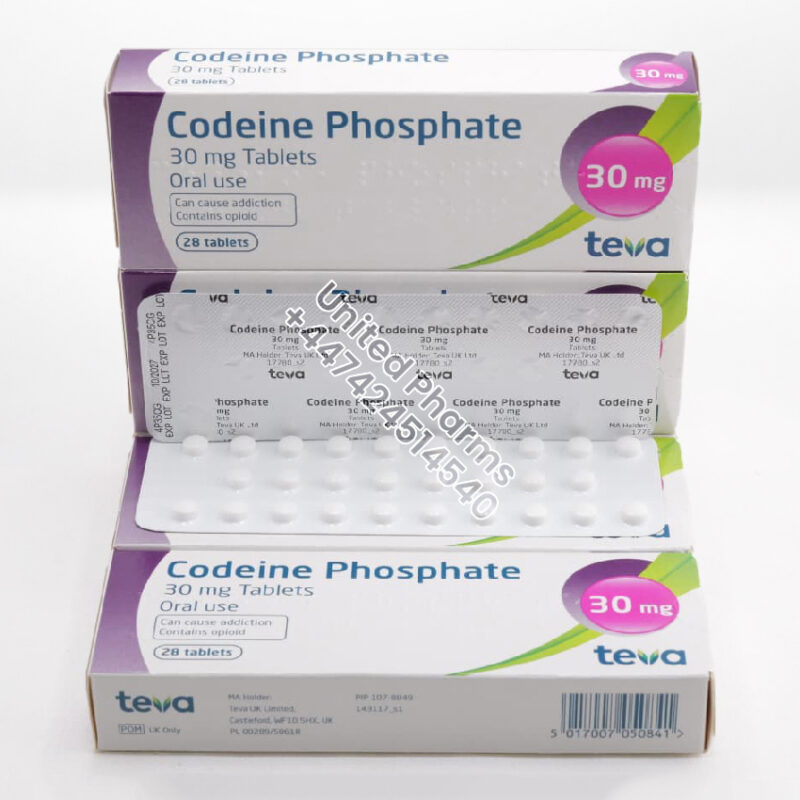
Codeine Phosphate 30mg | Teva – (28 Tablets)
Original price was: £89.99.£44.99Current price is: £44.99. -
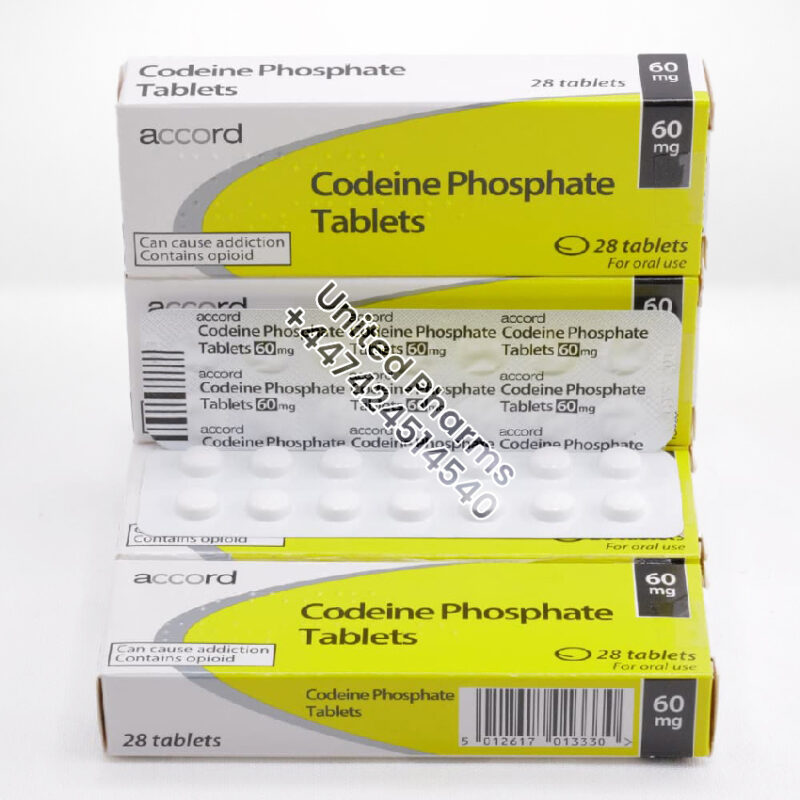
Codeine Phosphate 60mg | Accord – (28 Tablets)
Original price was: £89.99.£74.99Current price is: £74.99. -
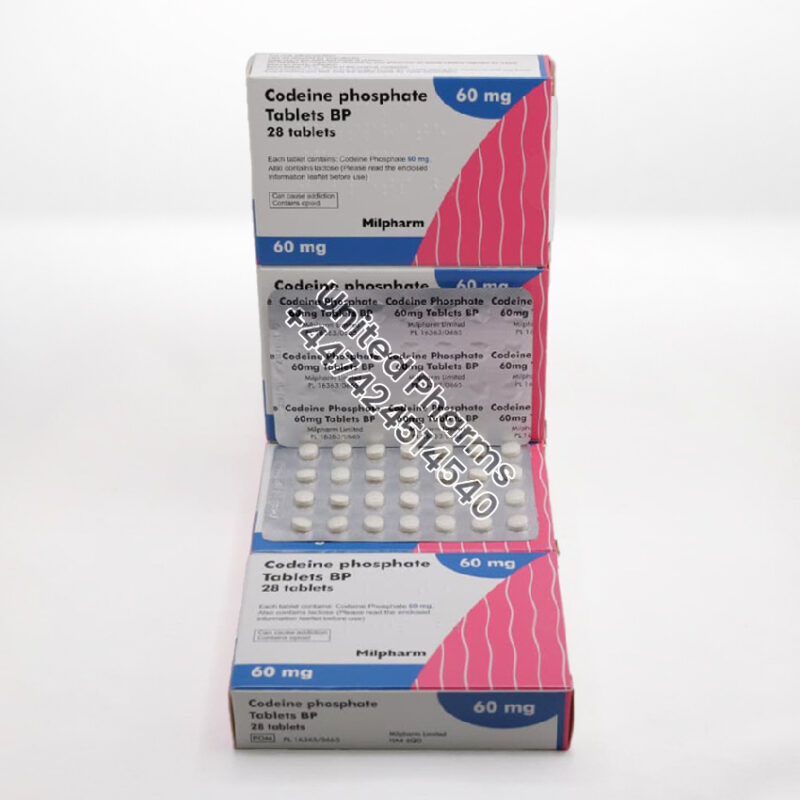
Codeine Phosphate 60mg | Milpharm – (28 Tablets)
Original price was: £119.99.£74.99Current price is: £74.99.
End of content
End of content
Codeine Phosphate – Buy Online in UK / EU
Codeine Phosphate is a widely prescribed opioid pain reliever used to treat mild to moderate pain, persistent cough, and diarrhoea when other medications are unsuitable. It works by converting into morphine in the body, which then binds to opioid receptors to reduce pain perception and provide relief.
In the UK and EU, Codeine Phosphate is available both as prescription-only medicine (POM) and in low-dose OTC combinations, depending on strength and formulation.
This guide provides a comprehensive, medically accurate, and SEO-focused overview of Codeine Phosphate, including brands, uses, advantages, risks, contraindications, symptoms, FAQs, and a smart meta description for maximum search visibility.
Common UK & EU Brands of Codeine Phosphate
Codeine is marketed under several trusted pharmaceutical brands, including:
Codeine Phosphate Tablets (Various generic UK/EU manufacturers)
Teva Codeine Phosphate
Almus Codeine Phosphate
Auden Mckenzie Codeine
Wockhardt Codeine Phosphate
Actavis Codeine Phosphate
Mylan Codeine
Pfizer/Hospira Codeine Phosphate Injection (clinical use)
Solpadol / Solpadeine (combined with paracetamol)
Co-Codamol generics (8/500, 15/500, 30/500 formulations)
Brand availability can vary by country.
What Is Codeine Phosphate Used For?
Primary Uses
 Pain Relief – effective for mild–moderate pain, including:
Musculoskeletal pain
Period pain
Headaches & migraines
Dental pain
Injury-related pain
Cough Suppression – reduces persistent dry cough Diarrhoea Treatment – slows bowel movements in chronic cases
How Codeine Works (Mechanism of Action)
Codeine is a prodrug, meaning it must be metabolised in the liver into morphine. The active metabolite binds to mu-opioid receptors, altering how the brain and nervous system interpret pain signals.
It also suppresses the cough reflex and slows intestinal motility, explaining its multi-purpose use.
Advantages of Codeine Phosphate
 Effective multi-purpose medication
Treats pain, cough, and diarrhoea in one agent.
Useful when paracetamol or ibuprofen alone isn’t enough
Commonly used as step-up therapy.
Widely available in multiple strengths and formulations
Tablets, soluble tablets, liquids, combination medicines.
Lower addiction risk than stronger opioids
Though still carries dependence potential.
Fast-acting
Pain relief often begins within 30–60 minutes.
Disadvantages & Risks
Risk of dependence or tolerance
 Risk of dependence or tolerance
Prolonged use can lead to opioid dependence.
Drowsiness and impaired alertness
Can affect driving and operating machinery.
Constipation is very common
Often requires preventative measures.
Not suitable for some metabolic types
People who are ultra-rapid metabolisers may experience toxicity.
Interactions with alcohol, sedatives, or other opioids
Can cause respiratory depression.
Withdrawal symptoms if stopped after long-term use.
When Not to Use Codeine Phosphate
Do not use Codeine if you:
Have severe asthma, breathing problems, or COPD
Are allergic to codeine or other opioids
Have acute respiratory depression
Are a child under 12
Are under 18 after tonsil or adenoid removal
Are pregnant or breastfeeding (unless prescribed)
Have liver failure or severe kidney disease
Have paralytic ileus
Take MAOIs, sedatives, alcohol, or CNS depressants
Have obstructive sleep apnea
Symptoms & Side Effects
Common Side Effects
Drowsiness
Constipation
Nausea or vomiting
Dry mouth
Dizziness
Light-headedness
Less Common
Mood changes
Difficulty urinating
Itching or skin reactions
Serious Symptoms (Seek urgent medical help):
Difficulty breathing
Confusion or extreme drowsiness
Severe abdominal pain
Fainting
Blue lips or fingertips
Slow heartbeat
FAQ: Codeine Phosphate (UK & EU)
 FAQ: Codeine Phosphate (UK & EU)
1. Is Codeine Phosphate addictive?
Yes, long-term use can cause dependence. Always follow the prescribed dose.
2. Can I take Codeine with alcohol?
No. Mixing increases the risk of respiratory depression.
3. How long does Codeine take to work?
Usually 30–60 minutes, lasting 3–6 hours.
4. Can I drive after taking Codeine?
Not recommended due to drowsiness. In the UK, it’s illegal to drive while impaired.
5. Is Codeine safe during pregnancy?
Only under strict medical supervision—risk of neonatal respiratory issues.
6. Can I take Codeine with ibuprofen or paracetamol?
Yes, commonly combined for stronger pain relief (e.g., Co-Codamol).
7. What is the maximum daily dose?
Follow your prescription. Typical adult limit is 240 mg per day, but varies by condition.
8. Can Codeine cause constipation?
Yes—very common. Hydration and fibre are important.
Conclusion
Codeine Phosphate remains a widely used and effective opioid medication for treating pain, chronic cough, and diarrhoea. It offers rapid relief, is clinically reliable, and is available under numerous trusted UK/EU brands. However, Codeine requires responsible use, as misuse can lead to dependence, sedation, impaired breathing, or dangerous interactions.
Understanding how Codeine works, when to use it, and when to avoid it ensures safe, effective, and informed treatment.