
Co-Codamol
-
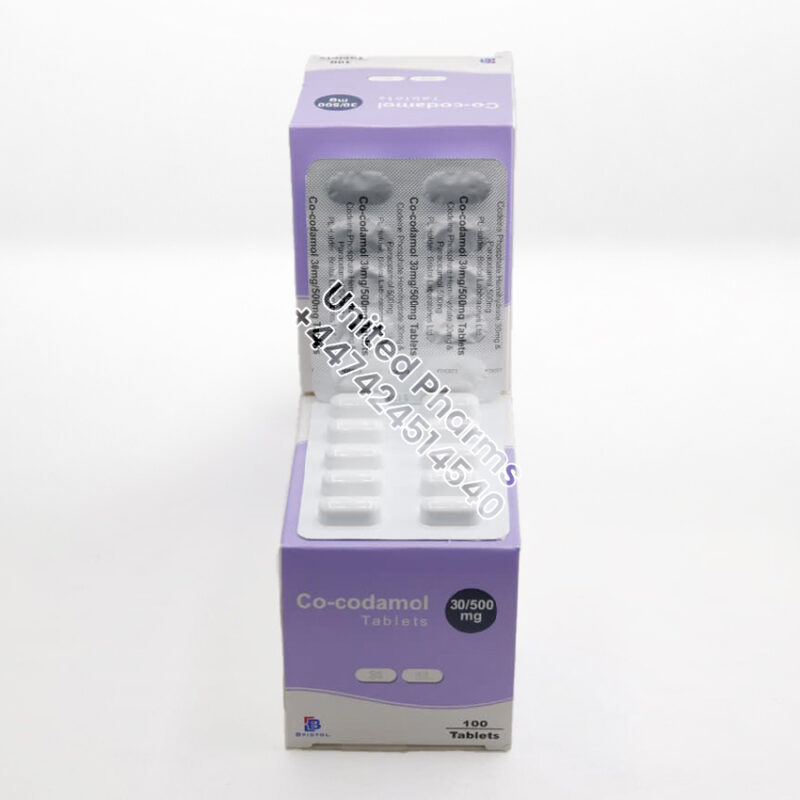
-
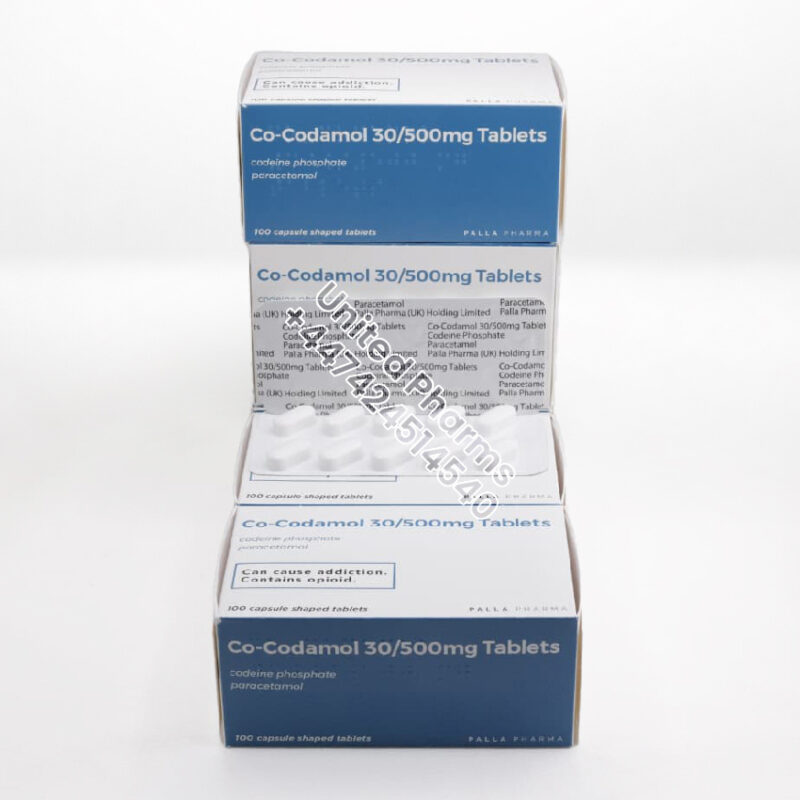
Co-codamol 30/500mg | Palla Pharma – (100 Tablets)
Original price was: £89.99.£69.99Current price is: £69.99. -
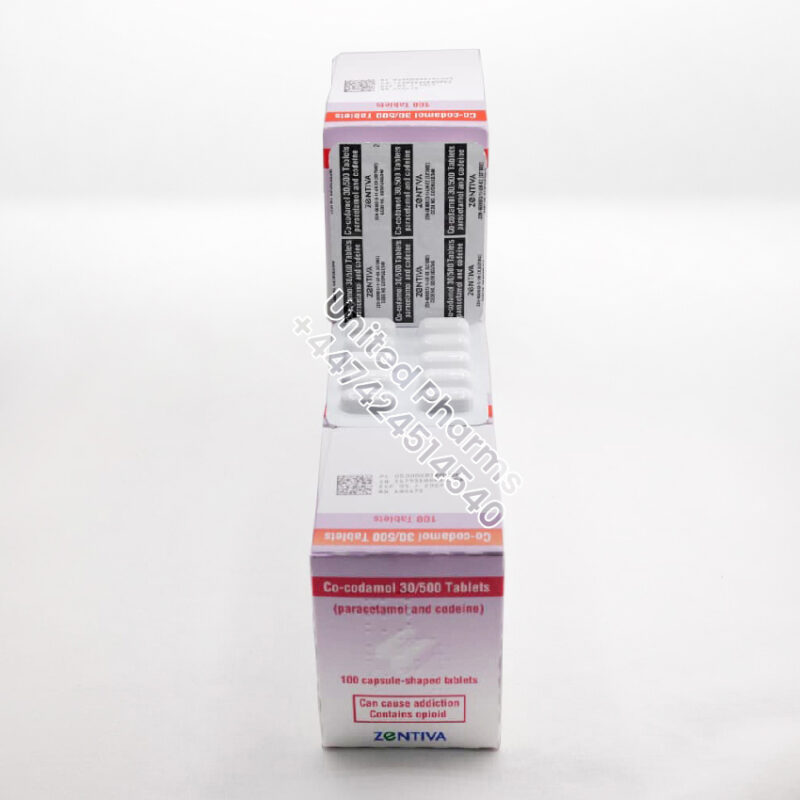
Co-codamol 30/500mg Tablets | Zentiva – (100 Tablets)
Original price was: £89.99.£69.99Current price is: £69.99.
End of content
End of content
Co-Codamol – Buy online in UK/EU
Co-Codamol is a widely prescribed combination painkiller used across the UK and EU for the relief of moderate to severe pain. It contains two active ingredients:
-
Paracetamol – reduces pain and fever
-
Codeine phosphate – an opioid analgesic that enhances pain relief
Co-Codamol is commonly used when standard painkillers (like paracetamol or ibuprofen alone) are not strong enough.
It is available in different strengths, including 8/500 mg, 15/500 mg, and 30/500 mg, depending on the severity of pain and the clinical setting.
In the UK, higher strengths (15/500 mg and 30/500 mg) are POM (Prescription-Only Medicines), while the lowest strength (8/500 mg) is available OTC behind the counter in pharmacies under strict guidance.
UK & EU Brand Names of Co-Codamol
Common licensed brands include:
-
Co-Codamol (Generic) – most widely dispensed
-
Solpadeine Plus (OTC – 8/500 mg)
-
Solpadeine Max (OTC – 12.8/500 mg)
-
Zapain (POM – 30/500 mg)
-
Tylex (POM – 30/500 mg)
-
Actavis Co-Codamol
-
Accord Co-Codamol
-
Aurobindo Co-Codamol
-
Mylan Co-Codamol
-
Teva Co-Codamol
-
Wockhardt Co-Codamol
-
Kent Pharma Co-Codamol
-
Sandoz Co-Codamol
All approved brands comply with MHRA (UK) and EMA (EU) regulations for safety and quality.
What Co-Codamol Is Used For
Co-Codamol is prescribed for short-term relief of moderate to severe pain, including:
1. Musculoskeletal Pain
-
Back pain
-
Muscle strain
-
Joint pain
-
Sports injuries
2. Post-Injury & Post-Surgical Pain
Used when paracetamol alone is insufficient.
3. Headaches & Migraines
Particularly when standard analgesics fail.
4. Dental Pain
Commonly used for toothache or post-dental procedures.
5. Period Pain
Helps severe dysmenorrhea when NSAIDs are not suitable.
6. Nerve-related pain
Sometimes used in combination therapy with other medicines.
How Co-Codamol Works (Simple Explanation)
-
Paracetamol lowers pain signals in the brain and helps reduce fever.
-
Codeine is converted to morphine in the body, binding to opioid receptors to block pain messages.
Together, they deliver stronger, longer-lasting relief than either ingredient alone.
Advantages of Co-Codamol
 More effective than standard painkillers
 More effective than standard painkillers
Especially useful when paracetamol or ibuprofen is not enough.
Multiple strengths available
Allows tailored dosing for mild, moderate, or severe pain.
Fast onset of action
Pain relief typically begins within 30–60 minutes.
Widely available and low cost
Both OTC and prescription strengths are accessible.
Useful short-term for acute pain
Ideal for injuries, dental pain, or temporary severe discomfort.
Disadvantages of Co-Codamol
✘ Can cause drowsiness
Codeine may impair concentration or driving ability.
✘ Risk of dependency
Long-term use can lead to tolerance or opioid dependence.
✘ Constipation is common
One of the most frequent side effects of codeine.
✘ Not suitable for long-term use
Recommended for short-term management only.
✘ Paracetamol overdose risk
Taking more than the recommended dose can cause severe liver damage.
When NOT to Use Co-Codamol
Avoid Co-Codamol or speak to a prescriber if:
-
You have liver disease
-
You have breathing difficulties, asthma, or chronic respiratory issues
-
You are allergic to paracetamol or codeine
-
You are taking other medicines containing paracetamol
-
You are taking antidepressants (MAOIs)
-
You drink heavy amounts of alcohol
-
You have a history of substance misuse
-
You have recently had a head injury
-
You are pregnant or breastfeeding (especially at high doses)
Never exceed the maximum daily paracetamol dose (4,000 mg).
Symptoms & Conditions Co-Codamol Helps With
-
Sharp or throbbing pain
-
Pain preventing sleep
-
Toothache or post-dental pain
-
Muscular aches or spasms
-
Joint swelling and inflammation
-
Severe menstrual pain
-
Pain after injury
-
Migraines or tension headaches
FAQ: Co-Codamol (UK & EU)
1. How long does Co-Codamol take to work?
Usually 30 to 60 minutes, depending on dose and individual metabolism.
2. How long does the relief last?
Typically 4 to 6 hours.
3. Can I drive after taking Co-Codamol?
Not recommended — codeine can cause drowsiness, affecting reaction times.
4. Is Co-Codamol addictive?
Yes, codeine can be habit-forming with prolonged use.
Short-term use is advised.
5. Can I drink alcohol with Co-Codamol?
Avoid alcohol.
Both substances depress the central nervous system and can impair breathing.
6. Can I take ibuprofen with Co-Codamol?
Yes — they work via different mechanisms and can be combined if advised by a clinician.
7. How often can I take it?
Every 4–6 hours, up to a maximum of 8 tablets in 24 hours, depending on strength.
8. Is it safe for children?
No — codeine-containing medicines are not recommended for children under 12.
Conclusion
Co-Codamol remains one of the most effective combination painkillers for short-term moderate to severe pain across the UK and EU. Its dual-action formula provides stronger relief than standard over-the-counter analgesics, making it a reliable option for injuries, dental procedures, back pain, headaches, and post-operative discomfort.
However, due to its opioid content and the potential for dependency or side effects, Co-Codamol must be used carefully, following correct dosage guidance. When managed responsibly and under appropriate supervision, it offers safe, powerful, and timely pain relief.