
Antibacterial
-
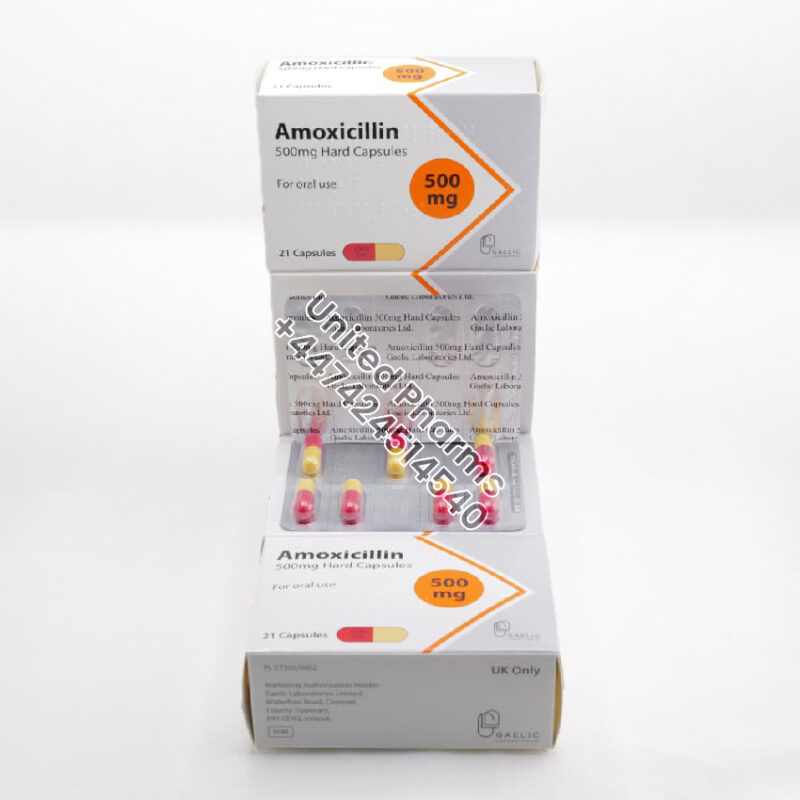
-
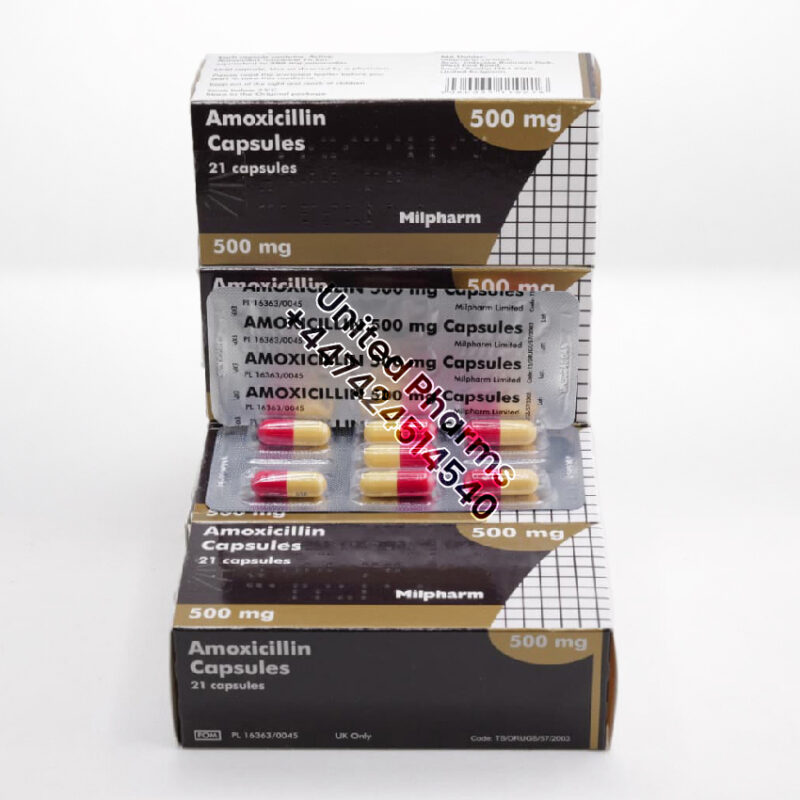
Amoxicillin 500mg | Milpharm – (21 Tablets)
£29.99Original price was: £29.99.£14.99Current price is: £14.99. -
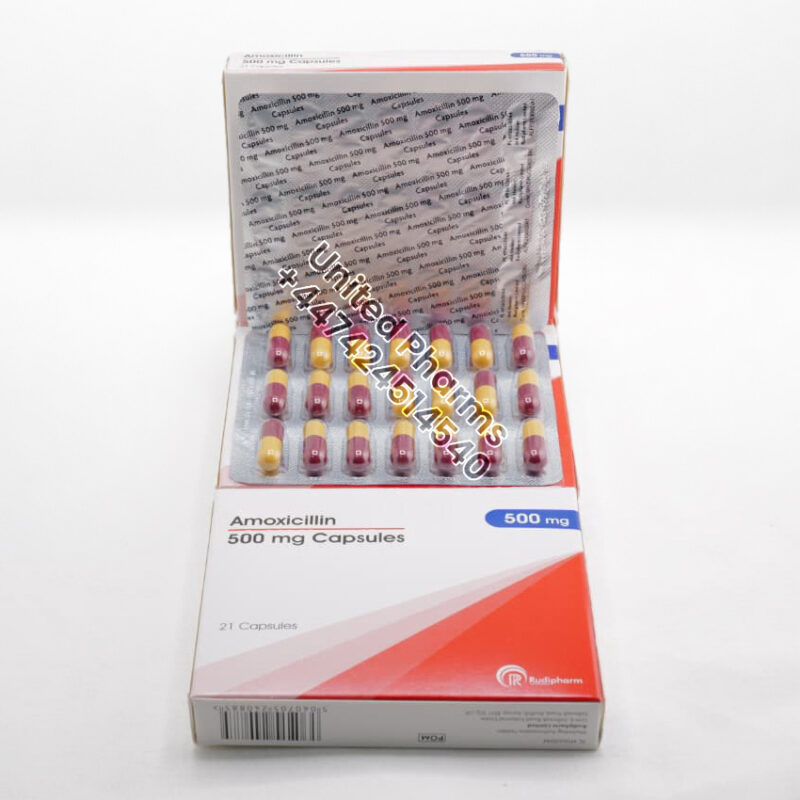
Amoxicillin 500mg | Rudipharm – (21 Capsules)
£29.99Original price was: £29.99.£14.99Current price is: £14.99. -
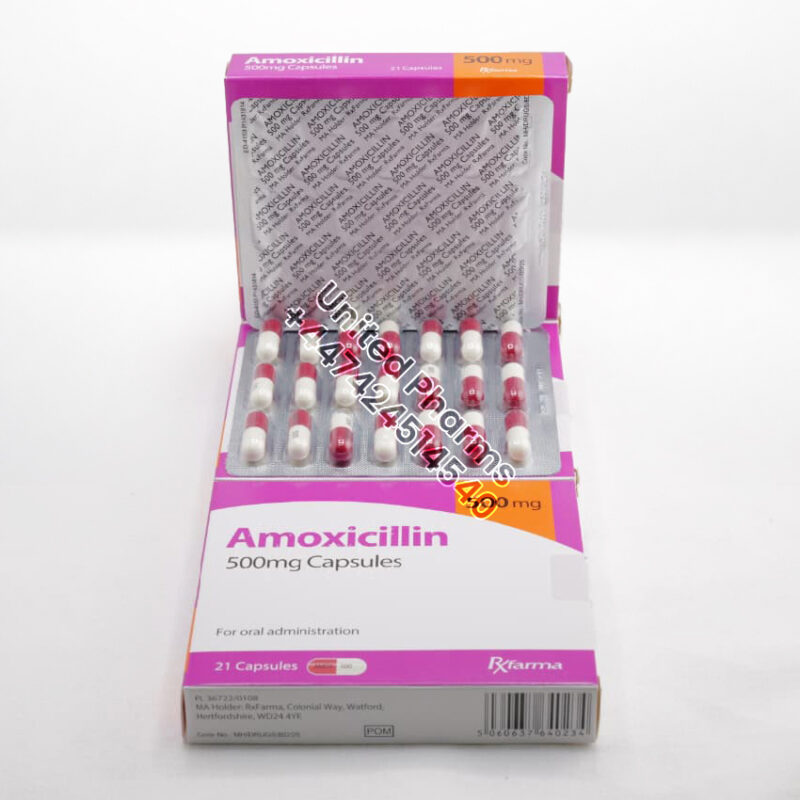
Amoxicillin 500mg | RXfarma – (21 Capsules)
£29.99Original price was: £29.99.£14.99Current price is: £14.99.
End of content
End of content
Antibacterial Medicines – Buy Online in UK / EU
Antibacterial medicines, commonly known as antibiotics, are essential treatments used to manage infections caused by harmful bacteria. They work by stopping bacterial growth or destroying bacteria directly. This category includes widely used medicines such as Amoxicillin, Doxycycline, Cephalexin, Metronidazole, Azithromycin, and others widely supplied across the UK and EU by regulated pharmaceutical manufacturers.
These medicines support recovery from a broad range of bacterial infections affecting the respiratory system, skin, urinary tract, dental areas, and more.
What These Medicines Are Used For
Antibacterial medicines may be prescribed for:
Respiratory infections (bronchitis, pneumonia, sinusitis)
Ear, nose & throat infections
Urinary tract infections (UTIs)
Skin and soft tissue infections
Dental infections
Sexually transmitted bacterial infections (specific antibiotics)
Gastrointestinal bacterial infections
Post-operative infection prevention (in certain clinical settings)
Antibiotics are only effective for bacterial, not viral, infections.
How These Medicines Work
Different antibacterial medicines work through different mechanisms, such as:
1. Penicillins (e.g., Amoxicillin, Co-amoxiclav)
Disrupt bacterial cell wall formation, causing bacteria to die.
Widely used for respiratory, dental, and ENT infections.
2. Tetracyclines (e.g., Doxycycline)
Block bacterial protein synthesis.
Effective for respiratory infections, skin conditions, and some STIs.
3. Macrolides (e.g., Azithromycin, Clarithromycin)
Interfere with bacterial replication.
Often used for chest infections and penicillin-allergic patients.
4. Cephalosporins (e.g., Cephalexin)
Break down bacterial cell walls.
Useful for skin, urinary, and soft tissue infections.
5. Antiprotozoal/Antibacterial Agents (e.g., Metronidazole)
Target anaerobic bacteria and protozoa.
Commonly used for dental infections and gastrointestinal issues.
Each class is selected based on infection type, severity, and patient suitability.
Common Benefits
Targets and treats bacterial infections effectively
Helps reduce symptoms such as fever, inflammation, and pain
Prevents infections from spreading or worsening
Supports faster recovery when an infection is confirmed to be bacterial
Multiple antibiotic classes available for different needs
Alternatives available for individuals with penicillin allergy
Limitations & Considerations
Ineffective against viruses such as colds or flu
Misuse may contribute to antibiotic resistance
Some antibiotics must be taken on an empty stomach or with food
Completing the full prescribed course is essential
Certain interactions may occur with alcohol or other medicines
Some antibiotics are unsuitable during pregnancy or breastfeeding
Overuse may reduce future effectiveness
Proper clinical assessment is important before starting any antibacterial therapy.
Possible Side Effects
Possible side effects vary but may include:
Nausea or vomiting
Diarrhoea or stomach discomfort
Headache
Skin rash or irritation
Yeast infections (thrush)
Temporary changes in taste
Photosensitivity (with some antibiotics like Doxycycline)
Severe allergic reactions are rare but require immediate medical attention.
When Not to Use These Medicines
Antibacterial medicines should not be used when:
The infection is viral (common cold, flu, most sore throats)
There is a known allergy to the active ingredient (e.g., penicillin allergy)
Severe liver or kidney impairment is present (specific antibiotics)
Taking certain interacting medicines (varies by product)
Alcohol use is contraindicated (e.g., Metronidazole)
Pregnant or breastfeeding unless specifically approved
The full course cannot be completed as instructed
Using antibiotics unnecessarily increases resistance and reduces effectiveness.
UK & EU Examples of Medicines in This Category
Penicillins
Amoxicillin – 500mg / 250mg
Co-amoxiclav (Amoxicillin + Clavulanic Acid)
Tetracyclines
Doxycycline – 100mg
Macrolides
Azithromycin – 250mg / 500mg
Clarithromycin
Cephalosporins
Cephalexin – 250mg / 500mg
Antibacterial/Antiprotozoal
Metronidazole – 400mg / 500mg / 200mg
These examples reflect regulated prescription medicines commonly available across the UK and EU.
Frequently Asked Questions (FAQ)
1. Do antibiotics work for viral infections?
No. Antibiotics only treat bacterial infections.
2. Why must I finish the full course?
Stopping too early may allow bacteria to survive and cause resistance or reinfection.
3. Can antibiotics cause stomach upset?
Yes, digestive side effects are common but often mild.
4. Can I drink alcohol while taking antibiotics?
Some antibiotics (e.g., Metronidazole) require avoiding alcohol completely. Others may allow moderate use—check guidance.
5. What if I’m allergic to penicillin?
Alternative antibiotics such as macrolides are often used.
6. Can antibiotics cause resistance?
Yes—only using them when necessary helps prevent antibiotic resistance.
Conclusion
Antibacterial medicines are fundamental tools in managing and treating a wide range of bacterial infections. With options such as Amoxicillin, Doxycycline, Cephalexin, Azithromycin, and Metronidazole, patients benefit from targeted therapy designed for specific infection types.
While highly effective, responsible use is essential to maintain their long-term safety, minimise resistance, and ensure each treatment is appropriate to the individual’s clinical needs. Always follow professional guidance and use antibacterial medicines only when genuinely required.