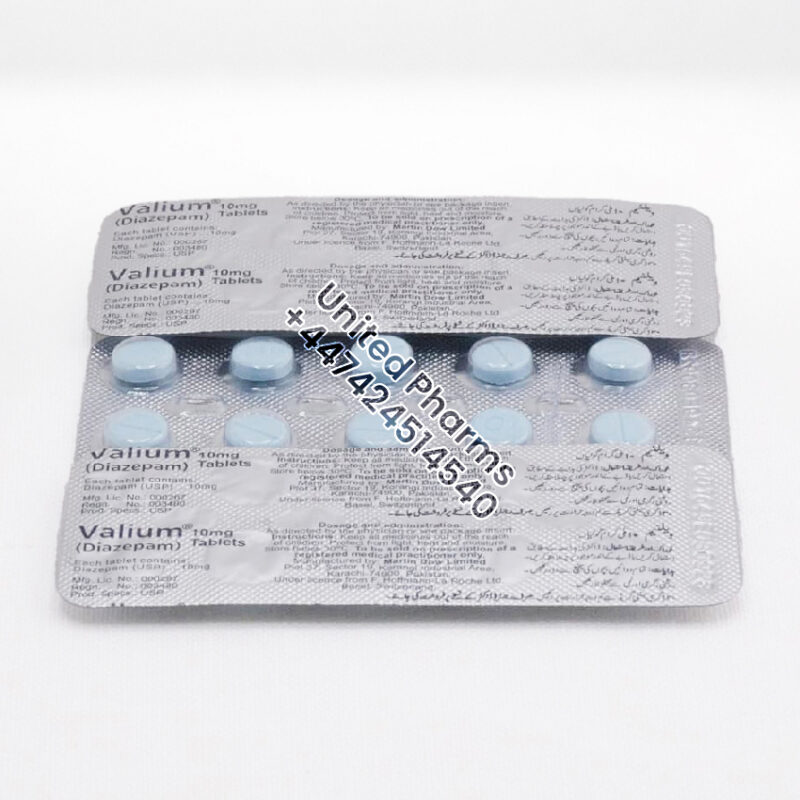
Diazepam (Valium) – Buy in UK & EU
Diazepam, originally marketed under the brand name Valium®, is one of the most well-known benzodiazepine medicines used worldwide for its calming, muscle-relaxant and anticonvulsant properties. First introduced by Roche in the 1960s, Diazepam has an extensive clinical history and remains authorised across the UK and European Union for a range of medically assessed conditions.
Diazepam works by enhancing the effect of GABA (gamma-aminobutyric acid) — the primary inhibitory neurotransmitter in the brain — helping to reduce excessive nervous system activity. Because of its sedative properties and potential for misuse, Diazepam is regulated as a prescription-only, controlled drug.
Diazepam Availability in the UK
In the UK, Diazepam is classified as a Schedule 4 (Part I) Controlled Drug under the Misuse of Drugs Regulations. It is prescribed for clinically assessed conditions such as muscle spasms, certain types of anxiety, severe agitation, and seizure-related emergencies.
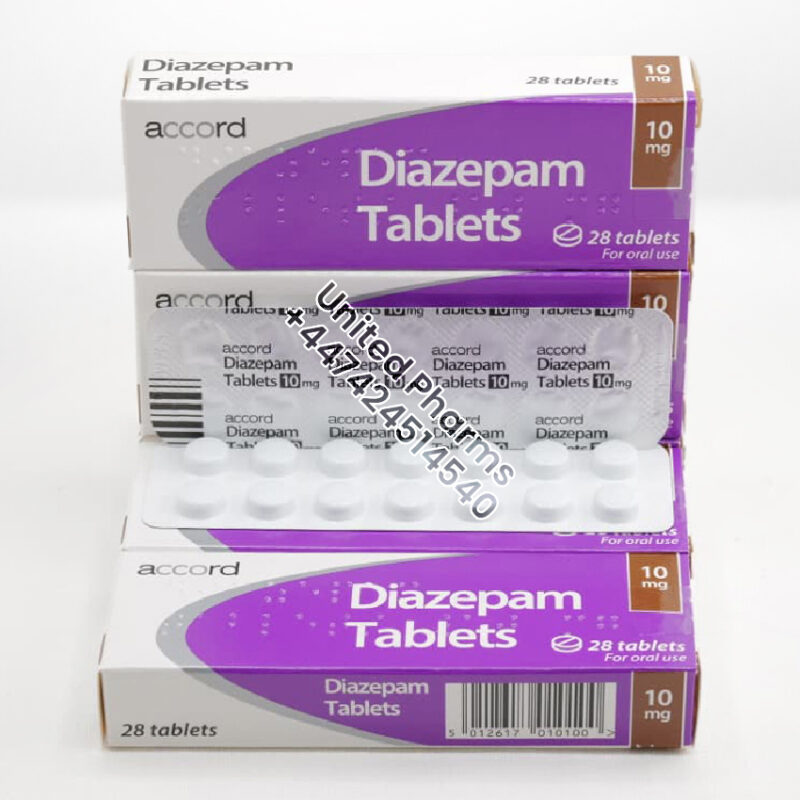
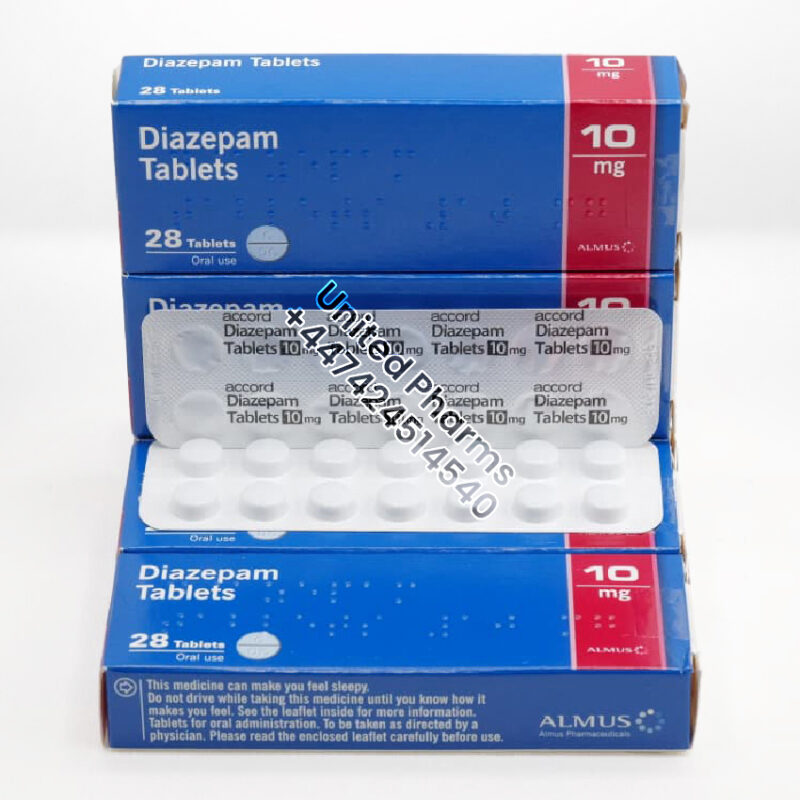
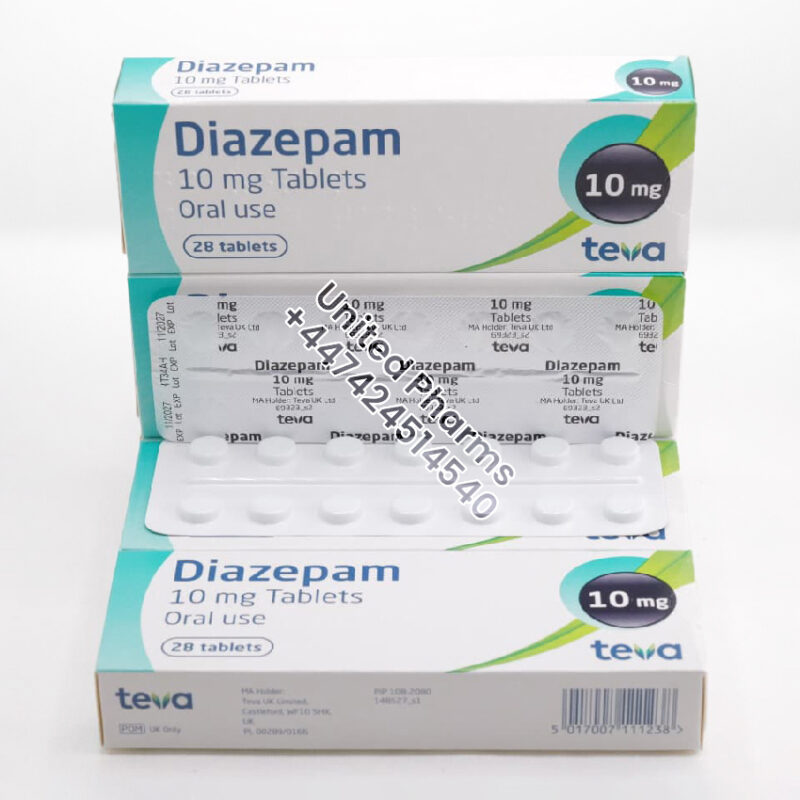
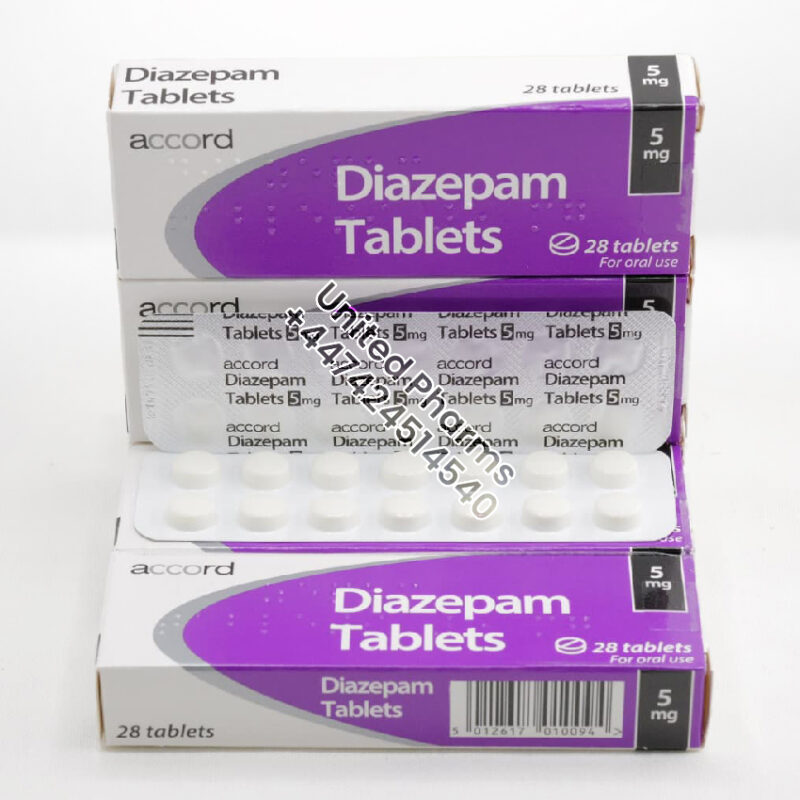
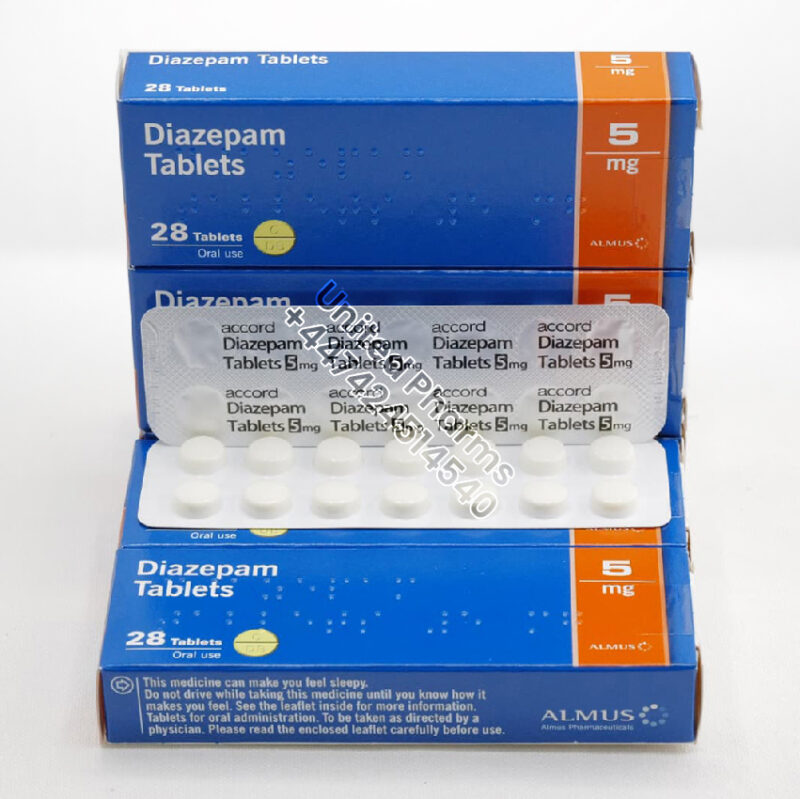
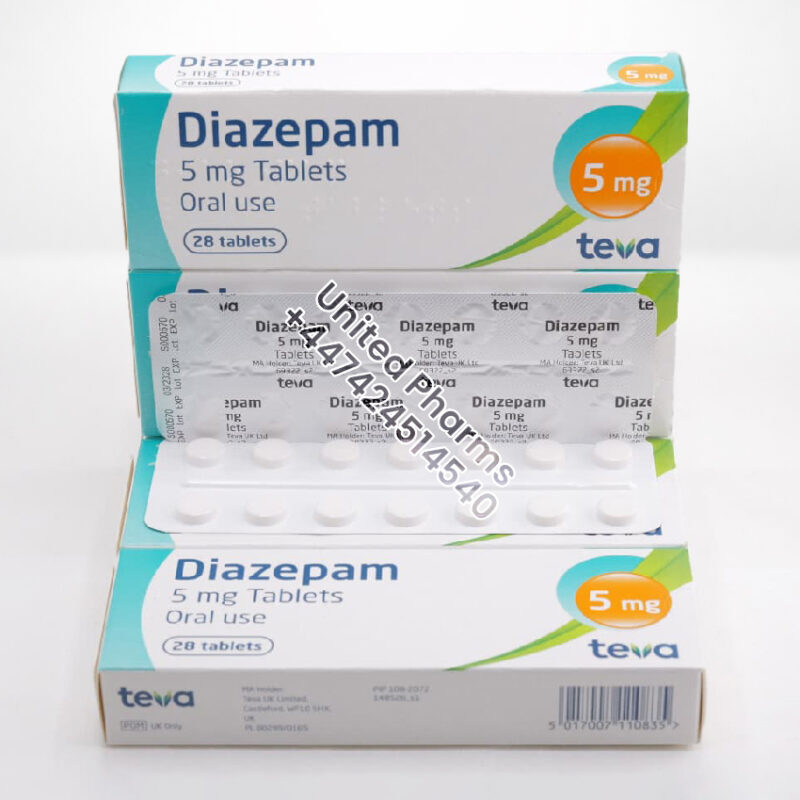
Common UK manufacturers and licence holders include:
Diazepam is available in:
Diazepam / Valium Brands in the European Union
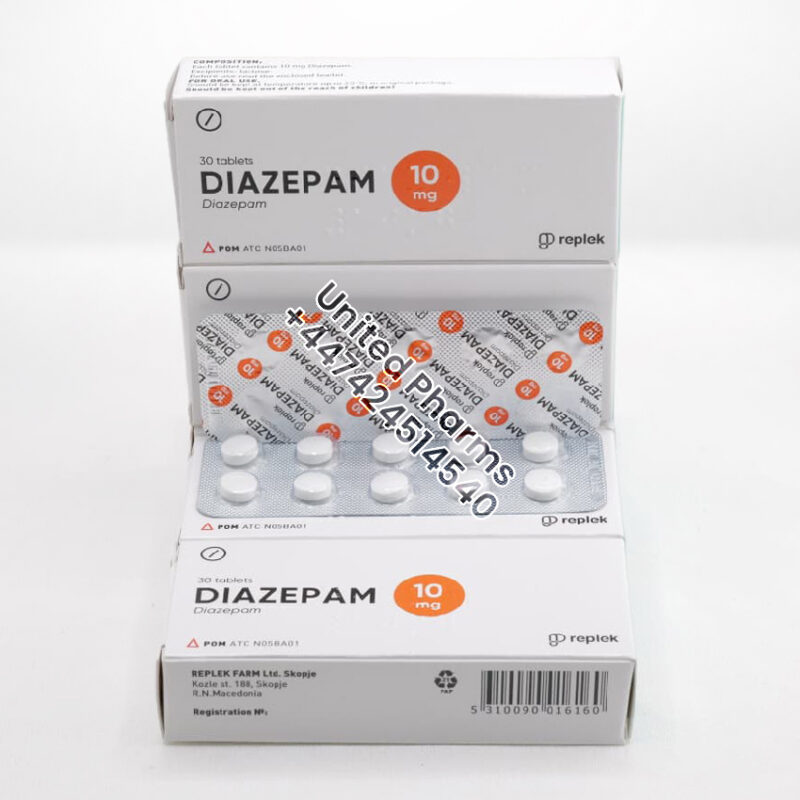
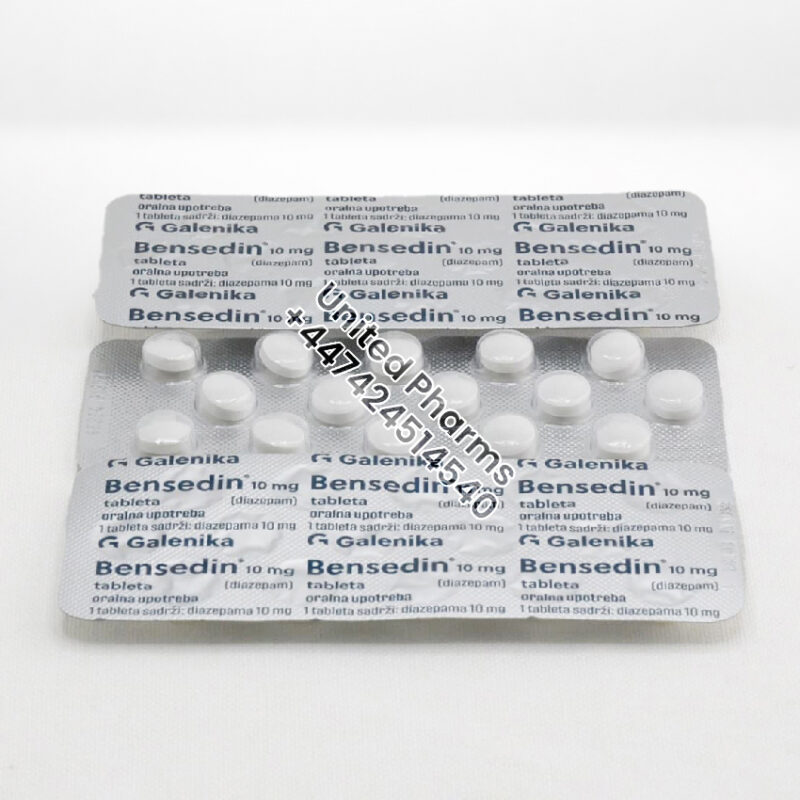
Across the EU, Diazepam is supplied under both its originator name and a wide range of generics. Common brands include:
EU formulations may include tablets, drops, rectal tubes, and injectable solutions depending on national authorisations.
Advantages of Diazepam (General, Factual)
Long-acting effects: Diazepam has a longer half-life than many benzodiazepines, supporting sustained symptom control.
Multiple clinical uses: Approved for muscle spasms, seizures, certain anxiety states, and medical procedures.
Extensive clinical history: More than 50 years of research supports its effects and risk profile.
Multiple licensed forms: Oral, rectal, and injectable options increase flexibility in medical use.
Disadvantages & Limitations
Risk of dependence: Long-term or unsupervised use significantly increases dependence and withdrawal concerns.
Sedation and coordination impairment: May affect alertness, driving ability and reaction time.
Drug interactions: Particularly dangerous with alcohol, opioids and other sedatives.
Controlled substance: Legal regulations restrict prescribing and supply due to misuse risk.
Tolerance development: Effects may reduce over time with prolonged use.
Common Symptoms / Side Effects
(General effects reported in MHRA/EMA public documentation; not a complete list.)
Common
Less Common
Rare but Serious
Seek urgent medical help for any serious or unexpected reaction.
When NOT to Use Diazepam / Valium
(General safety guidance from public health agencies; requires professional clinical assessment.)
Avoid use if:
There is a known allergy to Diazepam or other benzodiazepines.
You have severe respiratory insufficiency or sleep apnoea.
You have severe liver impairment.
There is a history of alcohol or substance misuse.
You are taking opioids, alcohol, or other strong CNS depressants.
You are pregnant or breastfeeding, unless strictly directed by a specialist.
It was not prescribed — unsupervised Diazepam use is unsafe and unlawful.
FAQ – Diazepam / Valium
1. Is Diazepam the same as Valium?
Yes. Valium® is the original brand name by Roche. Diazepam is the generic name for the same active ingredient.
2. What is Diazepam used for?
Diazepam is used in clinical settings for muscle spasms, certain anxiety states, seizures, alcohol withdrawal and sedation for procedures.
3. Is Diazepam available over the counter?
No. It is strictly prescription-only and regulated as a controlled drug in the UK and EU.
4. Is Diazepam safe for long-term use?
Long-term use is generally discouraged due to dependence, tolerance and withdrawal risks.
5. Can Diazepam be taken with alcohol?
No. Alcohol significantly increases sedation and respiratory risks.
Conclusion
Diazepam, known globally under the brand name Valium®, remains a widely used benzodiazepine with a strong clinical foundation and multiple licensed medical applications. Its long-acting profile and versatility make it valuable in supervised medical settings, while its dependence potential and interaction risks require strict control and professional oversight. In the UK and EU, Diazepam continues to be tightly regulated, with clear guidance to ensure its safe, appropriate and responsible use.