
Anti-Anxiety Medicines
-
-
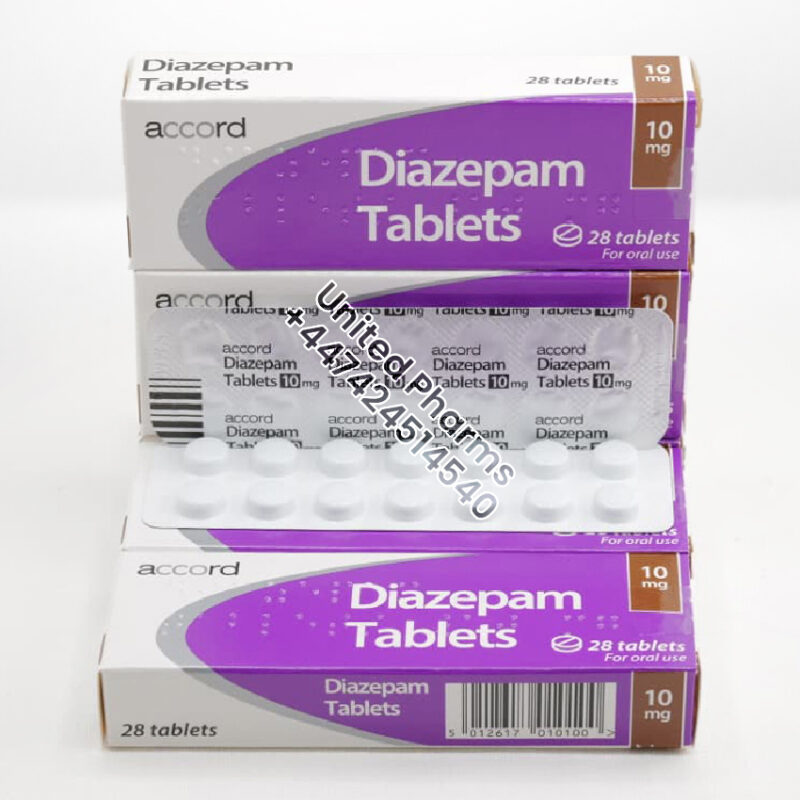
Diazepam 10mg | Accord – (28 Tablets)
Original price was: £99.99.£49.99Current price is: £49.99. -
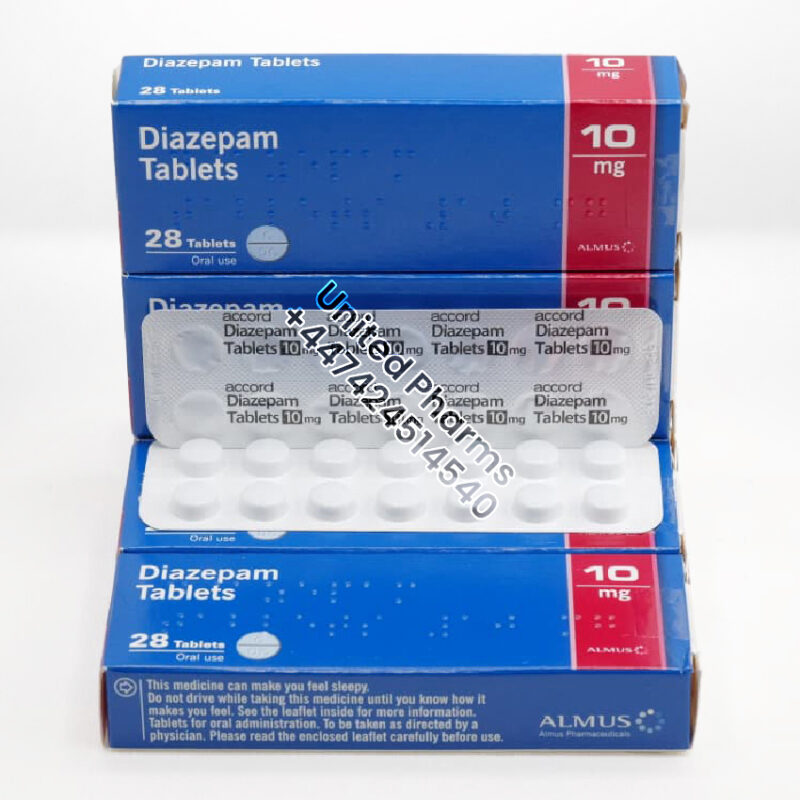
Diazepam 10mg | Almus – (28 Tablets)
Original price was: £99.99.£49.99Current price is: £49.99. -
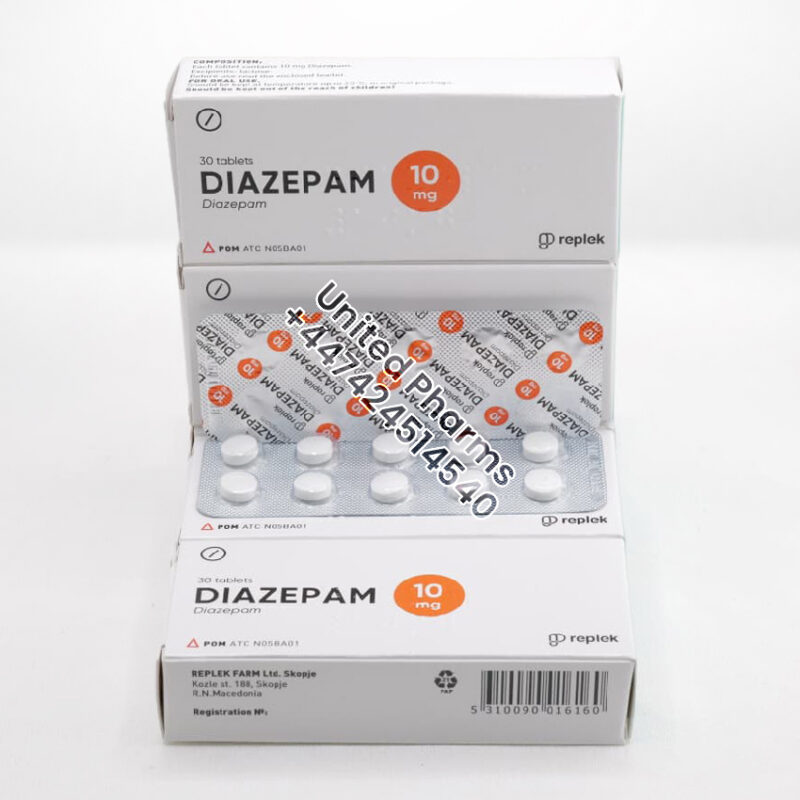
Diazepam 10mg | Replek – (30 Tablets)
Original price was: £99.99.£29.99Current price is: £29.99. -
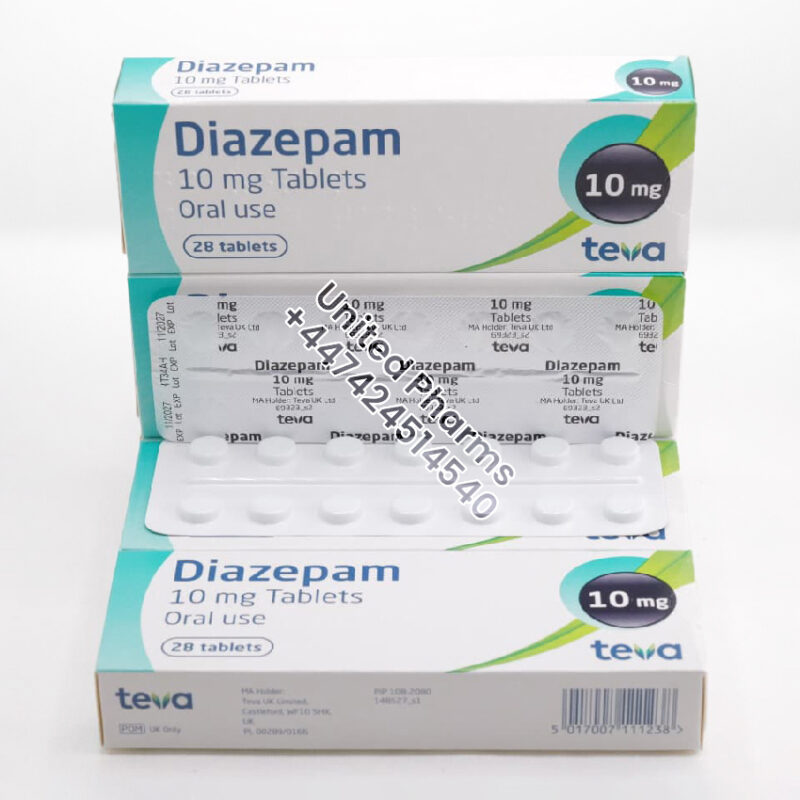
Diazepam 10mg | Teva – (28 Tablets)
Original price was: £99.99.£49.99Current price is: £49.99. -
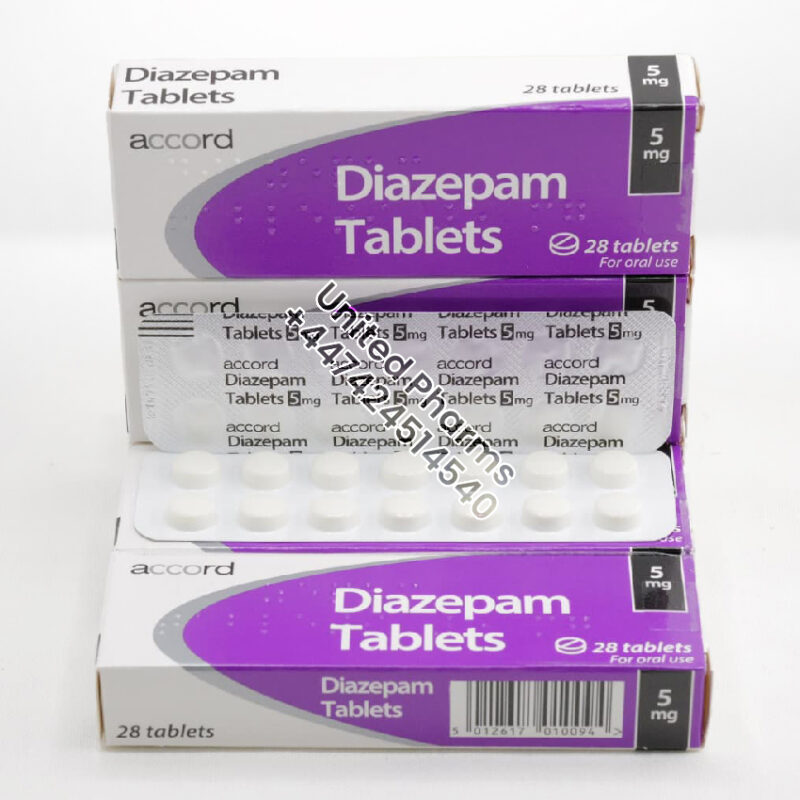
Diazepam 5mg | Accord – (28 Tablets)
Original price was: £69.99.£34.99Current price is: £34.99. -
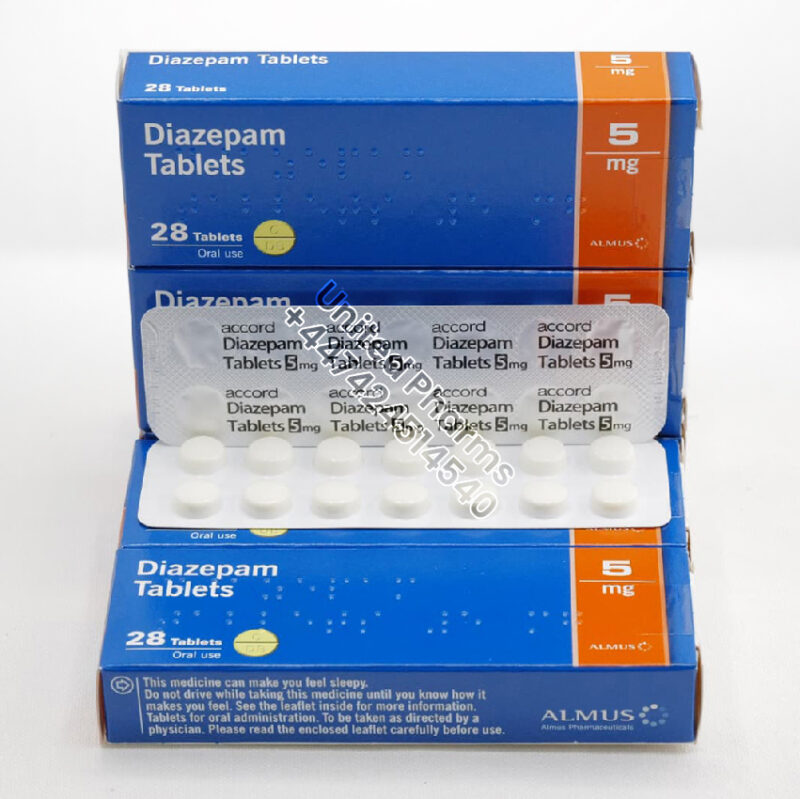
Diazepam 5mg | Almus – (28 Tablets)
Original price was: £69.99.£34.99Current price is: £34.99. -
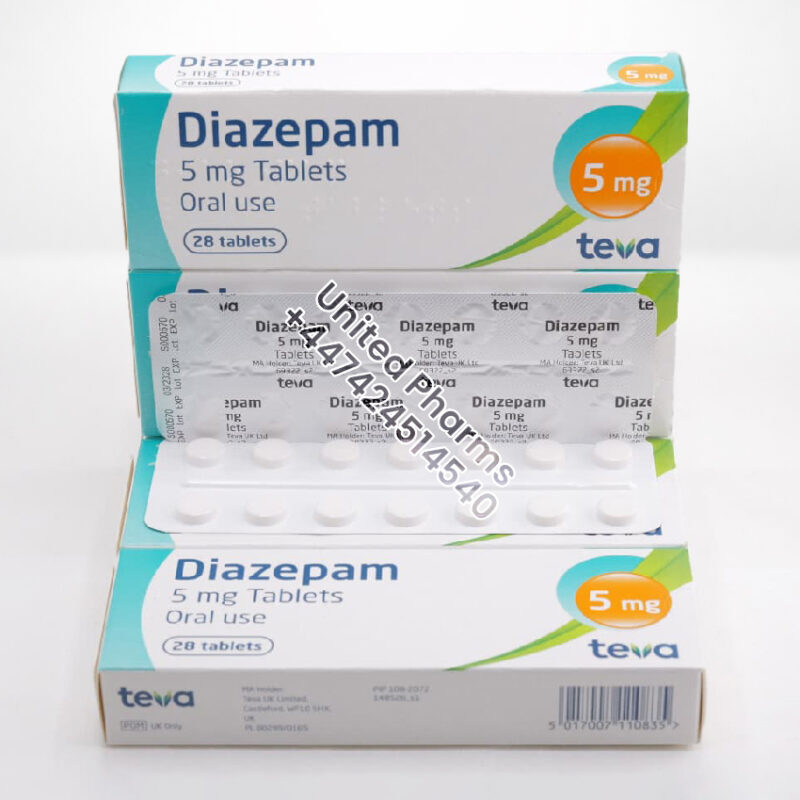
Diazepam 5mg | Teva – (28 Tablets)
Original price was: £69.99.£34.99Current price is: £34.99. -
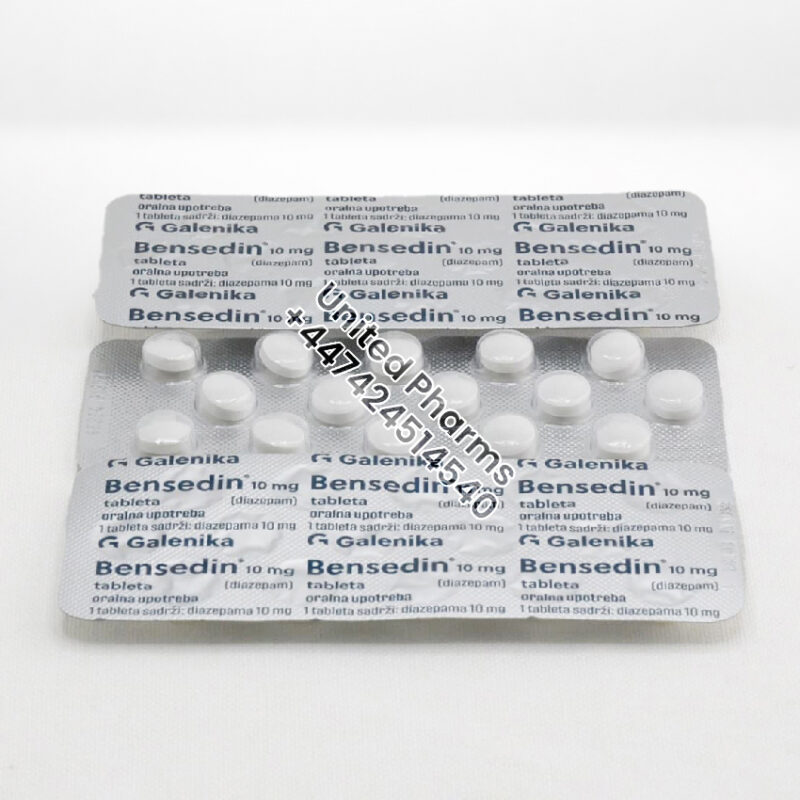
Diazepam Bensedin 10mg | Galenika – (30 Tablets)
Original price was: £59.99.£34.99Current price is: £34.99. -
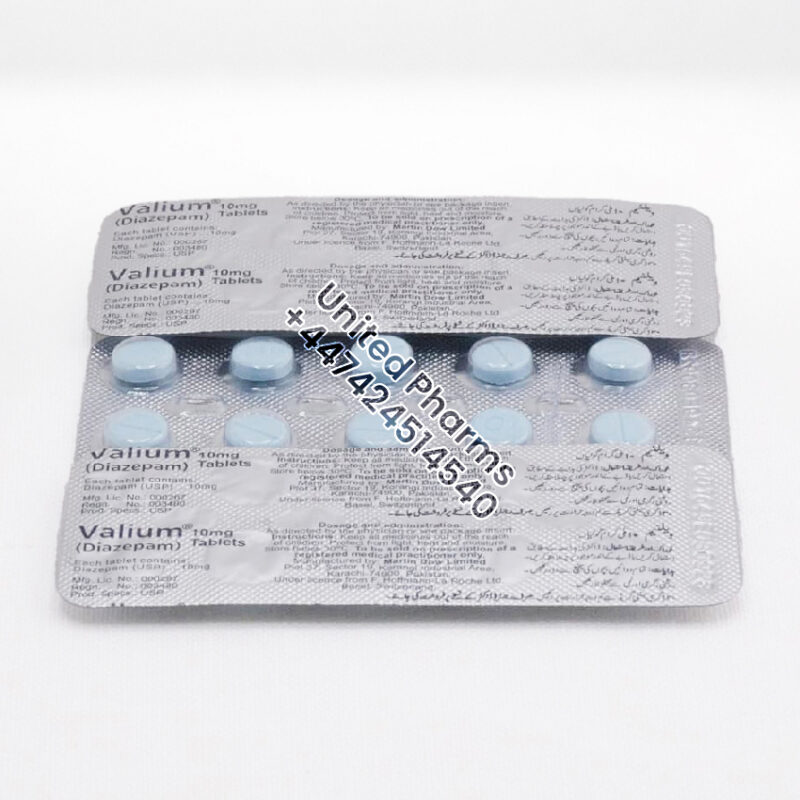
Diazepam Valium 10mg | Roche – (30 Tablets)
Original price was: £54.99.£34.99Current price is: £34.99. -
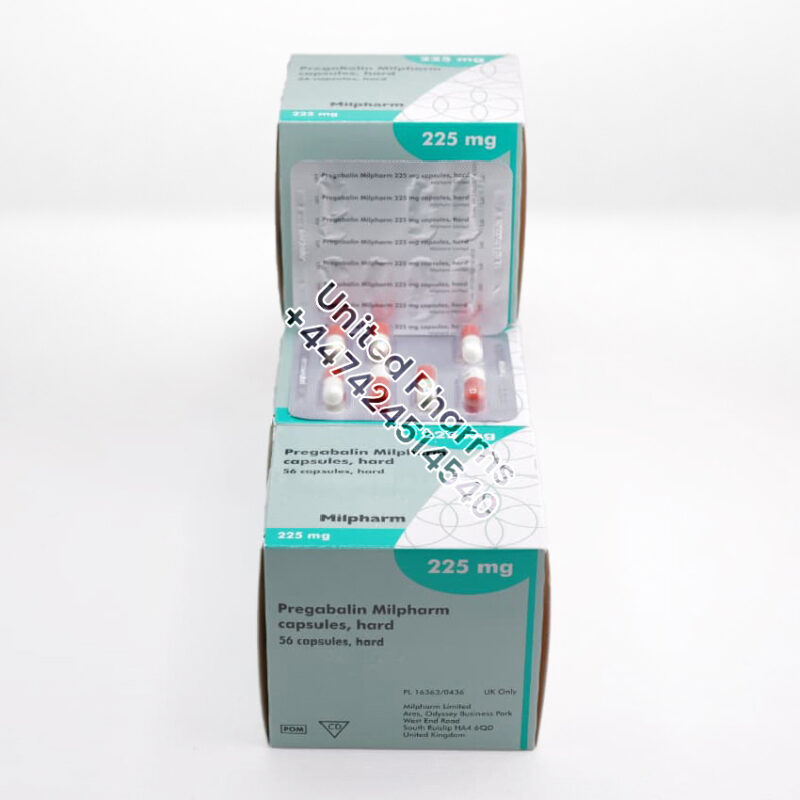
Pregabalin 225mg | Milpharm – (56 Capsules)
Original price was: £69.99.£49.99Current price is: £49.99. -
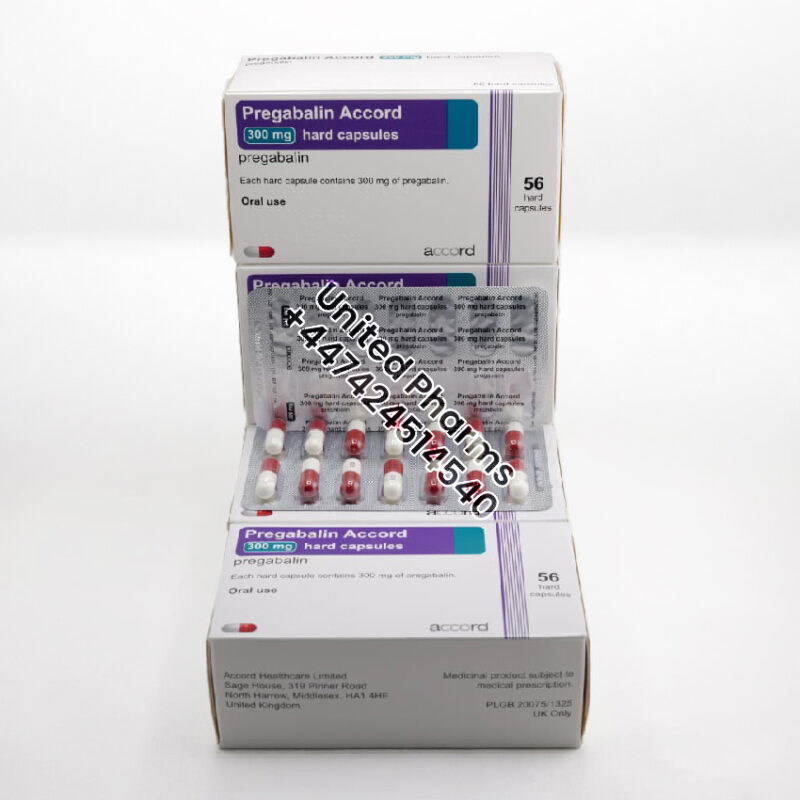
Pregabalin 300mg | Accord- (56 Capsules)
Original price was: £99.99.£69.99Current price is: £69.99. -
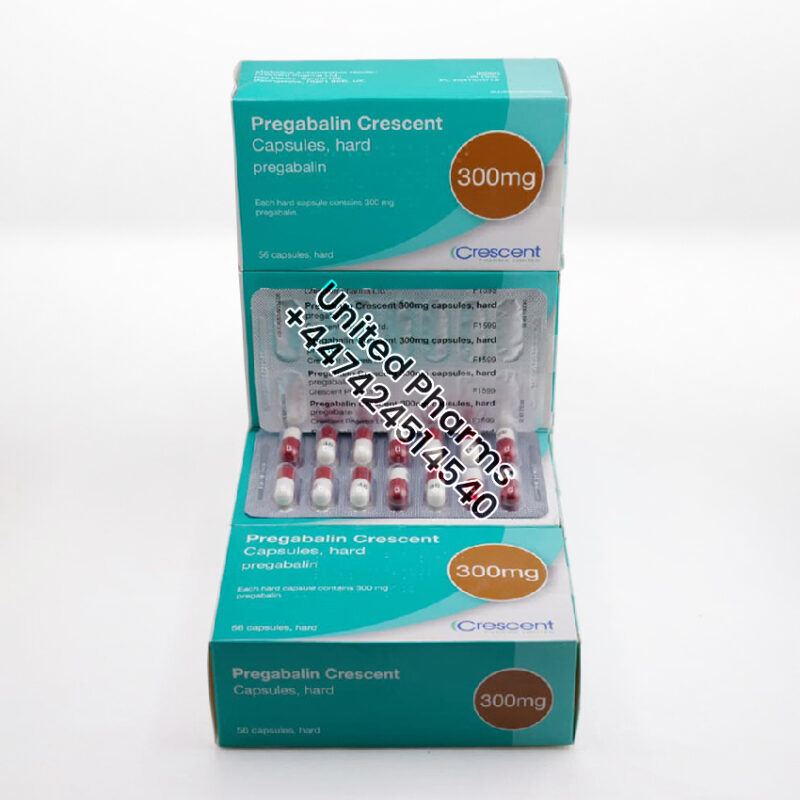
Pregabalin 300mg | Crescent – (56 Capsules)
Original price was: £99.99.£69.99Current price is: £69.99. -
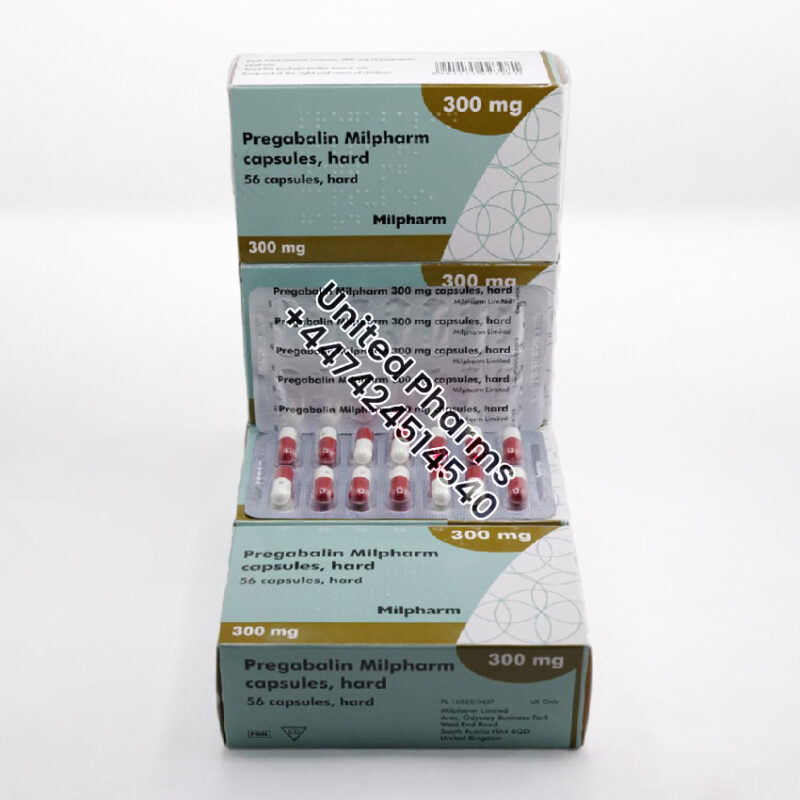
Pregabalin 300mg | Milpharm – (56 Capsules)
Original price was: £129.99.£69.99Current price is: £69.99. -
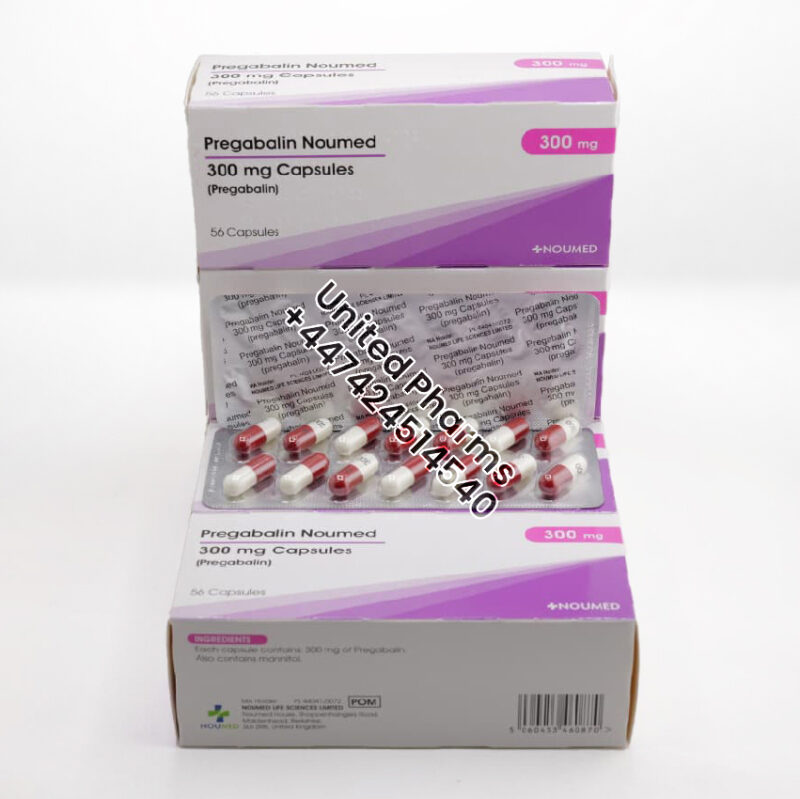
Pregabalin 300mg | Noumed – (56 Capsules)
Original price was: £99.99.£69.99Current price is: £69.99. -
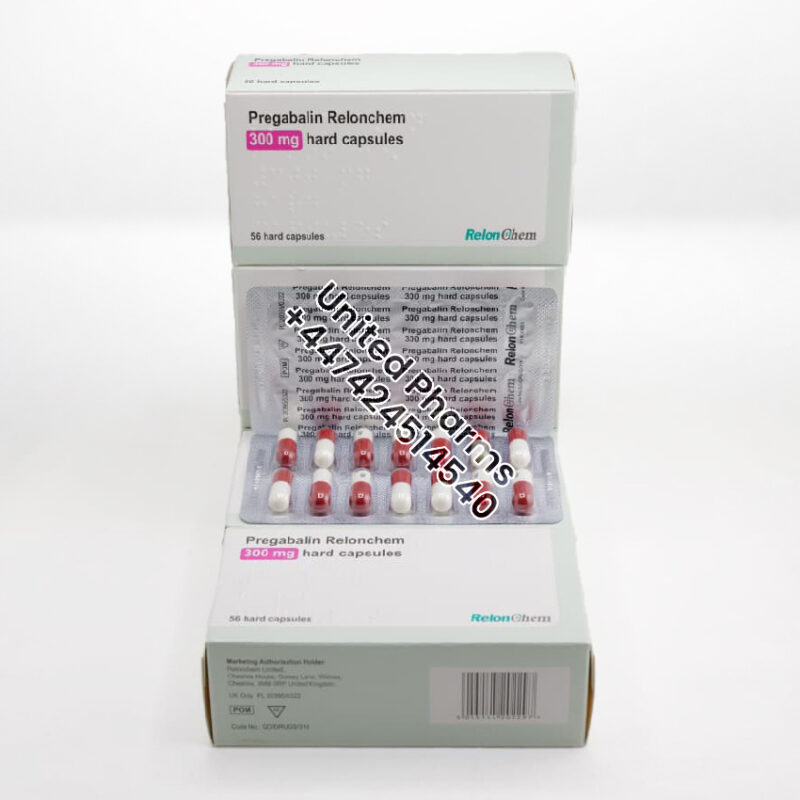
Pregabalin 300mg | Relonchem – (56 Capsules)
Original price was: £99.99.£69.99Current price is: £69.99.
End of content
End of content
 Anti-Anxiety Medicines – Buy Online in UK / EU
 Anti-Anxiety Medicines – Buy Online in UK / EU
Anti-anxiety medicines—often referred to as anxiolytics—are a group of prescription treatments used to help manage generalised anxiety, panic disorders, severe stress reactions, and certain neurological conditions where anxiety is a major component. These medicines work by calming an overactive nervous system, reducing physical and psychological symptoms such as tension, restlessness, rapid heartbeat, and overwhelming worry.
This category includes well-known medicines such as Alprazolam, Clonazepam (Rivotril), Diazepam (Valium), Gabapentin, and similar clinically approved treatments used across the UK and EU. Their use is highly regulated and requires proper clinical assessment.
What Anti-Anxiety Medicines Are Used For
 What Anti-Anxiety Medicines Are Used For
Anti-anxiety medications may be prescribed for:
Generalised Anxiety Disorder (GAD)
Panic attacks and panic disorder
Short-term severe anxiety or acute stress reactions
Social anxiety (in select cases)
Sleep disturbance linked to anxiety
Muscle tension or spasms (e.g., Diazepam)
Neuropathic pain and anxiety overlap (e.g., Gabapentin, Pregabalin)
Seizure disorders where anxiety symptoms coexist (e.g., Clonazepam)
How These Medicines Work
Different medicines in this category act through different mechanisms:
Benzodiazepines (e.g., Alprazolam, Clonazepam, Diazepam)
Enhance GABA (calming neurotransmitter) activity
Rapid onset, strong anxiolytic effect
Used for short-term or intermittent treatment
Gabapentinoids (Gabapentin, Pregabalin)
Reduce abnormal nerve signalling
Helpful where anxiety and neuropathic symptoms coexist
Longer-term use may be appropriate under supervision
Non-Benzodiazepine Anxiolytics
May act on serotonin pathways
Used when long-term anxiety control is needed without strong sedation
Common Benefits
Rapid relief from acute anxiety symptoms
Reduction in physical symptoms such as tension, shaking, or palpitations
Improved ability to sleep during periods of severe stress
Helps stabilise mood in panic disorder
Some options suitable for longer-term symptom management
Wide choice of formulations and strengths across UK/EU markets
Limitations & Considerations
 Limitations & Considerations
Some medicines (particularly benzodiazepines) may cause dependence or tolerance with long-term use
Not all treatments are appropriate for chronic anxiety
Possible next-day drowsiness or slowed reaction time
Withdrawal symptoms may occur if stopped suddenly
Interactions with alcohol, opioids, or other sedatives
Require individualised dosing and medical supervision
Possible Side Effects”
Common
Drowsiness
Dizziness
Reduced alertness
Headache
Fatigue
Dry mouth
Occasional
Memory or concentration difficulties
Blurred vision
Mood changes
Slowed coordination
Rare but Serious
Breathing difficulties (especially if mixed with other depressants)
Severe allergic reactions
Confusion or agitation
Withdrawal or rebound symptoms if abruptly discontinued
When Not to Use Anti-Anxiety Medicines
Avoid use unless evaluated by a clinician if you have:
Severe respiratory conditions
Sleep apnoea
History of substance misuse or dependency
Severe liver impairment
Untreated depression or mood disorders
Pregnancy or breastfeeding (unless specifically approved)
Allergy to active ingredients
Do not combine these medicines with:
Alcohol
Opioids (codeine, tramadol, etc.)
Other sedative/hypnotic drugs
Strong CNS depressants
UK & EU Common Brands
Anti-anxiety medicines are manufactured by multiple reputable pharmaceutical companies. Well-known brands include:
Benzodiazepines
Alprazolam – Teva, Accord, Pfizer (EU)
Clonazepam (Rivotril) – Roche (originator), Teva, Accord
Diazepam (Valium) – Roche (originator), Actavis, Accord, TEVA
Gabapentinoids (for anxiety & neuropathic overlap)
Gabapentin – Teva, Mylan, Zentiva, Accord
Pregabalin – Pfizer (Lyrica), Accord, Teva, Viatris
Frequently Asked Questions (FAQ)
1. Are anti-anxiety medicines safe for long-term use?
Some, like gabapentinoids, may be used long-term under supervision. Benzodiazepines are usually limited to short-term or intermittent use.
2. How quickly do they work?
Benzodiazepines typically act within minutes to hours. Gabapentinoids may take days to weeks for full effect.
3. Can I drive after taking these medicines?
Many anti-anxiety medicines can impair alertness, especially when starting treatment. Driving restrictions may apply.
4. Can these medicines cause dependence?
Yes—especially benzodiazepines. Long-term use should only occur under specialist guidance.
5. Can I take them with alcohol?
No. Alcohol increases the sedative effects and can lead to serious health risks.
6. Are these medicines used for sleep problems?
Some may help where insomnia is related to anxiety, but they are not always the first-line choice.
7. Do they cure anxiety?
No. They help manage symptoms, often alongside therapy or lifestyle strategies.
Conclusion
Anti-anxiety medicines play a vital role in managing acute and chronic anxiety symptoms when used responsibly under medical supervision. From fast-acting benzodiazepines like Alprazolam, Clonazepam, and Diazepam to broader-spectrum agents like Gabapentin, these treatments help reduce overwhelming anxiety, stabilise panic symptoms, and support daily functioning. While effective, they also require careful monitoring due to side effects, interaction risks, and potential for dependence. When used appropriately, they remain an important part of modern anxiety management across UK and EU healthcare systems.